
Optimal fertility is crucial for the profitability of both beef and dairy farms. An animal must become pregnant in order to calve and subsequently produce milk.
The gestation period for a cow lasts an average of 283 days, although this can vary depending on factors such as breed, age of the cow, and environmental factors.
It all starts when a cow’s egg is fertilized by a bull’s sperm. This can occur through natural mating or artificial insemination (AI). Although AI is widely used worldwide, natural mating is still the most common method in the beef cattle sector.
During ovulation, an egg is released from the ovary. This egg is only fertile for a few hours and travels through the fallopian tube to the uterus.
Fertilization can take place in the fallopian tube if fertile sperm cells are present. After fertilization, the egg cell begins to divide and develops into an embryo. The embryo remains in the fallopian tube for four days before entering the uterus.
Once in the uterus, the embryo (small ball) floats around freely for a few days. This phase is known as the blastocyst stage (day 7). Inside the blastocyst, a small cell mass forms, the inner cell mass, which will later develop into the calf. The cells on the outside (trophoblast cells) develop into the amniotic sac and the fetal part of the placenta.
| Did you know? Up to 50% of embryos are lost during the first 7 days of pregnancy in cattle. |
Around day 9-10 after fertilization, the blastocyst loses its protective outer layer, the zona pellucida. The spherical conceptus (embryo and amniotic sac) becomes egg-shaped, tubular, and eventually thread-like (day 12-14) as it expands into the uterine lumen.
This stretching of the conceptus (from approximately 2 mm on day 13 to 20 cm or more by day 19) is very characteristic of ruminant embryos and is essential for maternal recognition of pregnancy in cattle.
The process ensures that the cow’s body receives signals indicating that she is pregnant. One of the important effects of this is that the corpus luteum, which was formed after ovulation, is not broken down and continues to produce progesterone. This hormone is essential for maintaining pregnancy, as it creates a suitable environment in the uterus for the embryo to develop.
After days 16-17, the conceptus begins implantation (non-invasive) and the formation of the placenta.
The placenta in mammals is an organ that is formed in pregnant animals as a connection between the fetus on the one hand and the mother on the other. Ruminants have a unique placenta compared to other mammals.
In cattle, we refer to a placenta cotelydonaria or placenta multiplex. This means that the placenta is limited to certain areas: the placentomes. A placentome consists of a fetal cotyledon and a maternal caruncle, which together ensure the exchange of nutrients and waste products between the mother and the fetus.
The developing embryo is located in the fluid-filled amnion, which provides protection against mechanical shocks.
During the first three months of pregnancy (first trimester), the most important organs are formed. After 4 months, the bovine embryo is about the size of a small cat, and after 6 months it is comparable to a medium-sized dog. The third trimester of gestation is mainly characterized by a period of rapid growth. More than 75% of the total weight gain occurs during this period.
A balanced diet is crucial during pregnancy, especially in the last trimester, when nutritional requirements increase. Sufficient energy, protein, vitamins, and minerals are necessary for healthy fetal growth, good cow condition, and optimal preparation for milk production after calving, among other things.
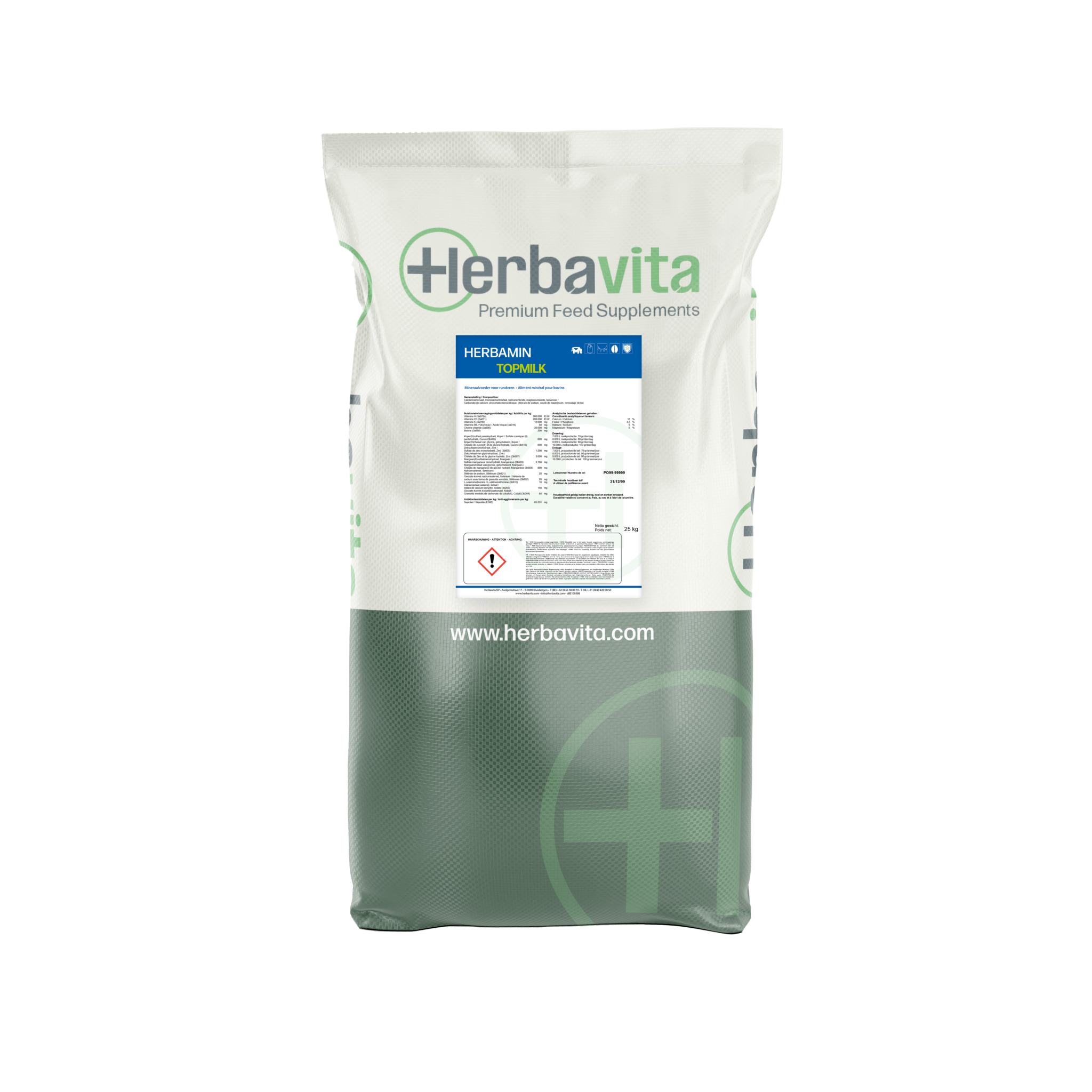
A premium vitamin and mineral supplement that improves milk production and claw health of high-yielding dairy cattle.
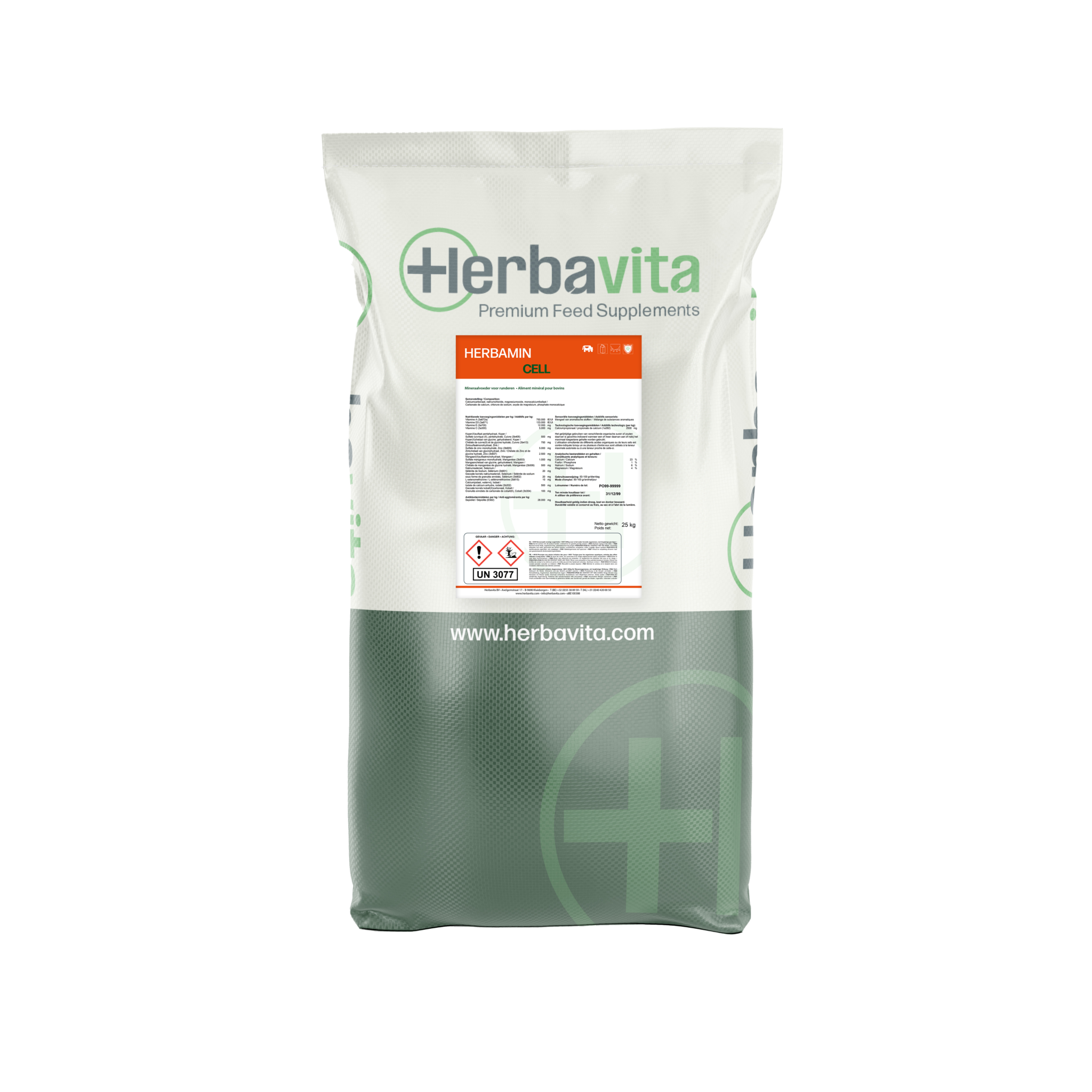
Herbamin Cell improves udder health and lowers somatic cell count in dairy cattle.
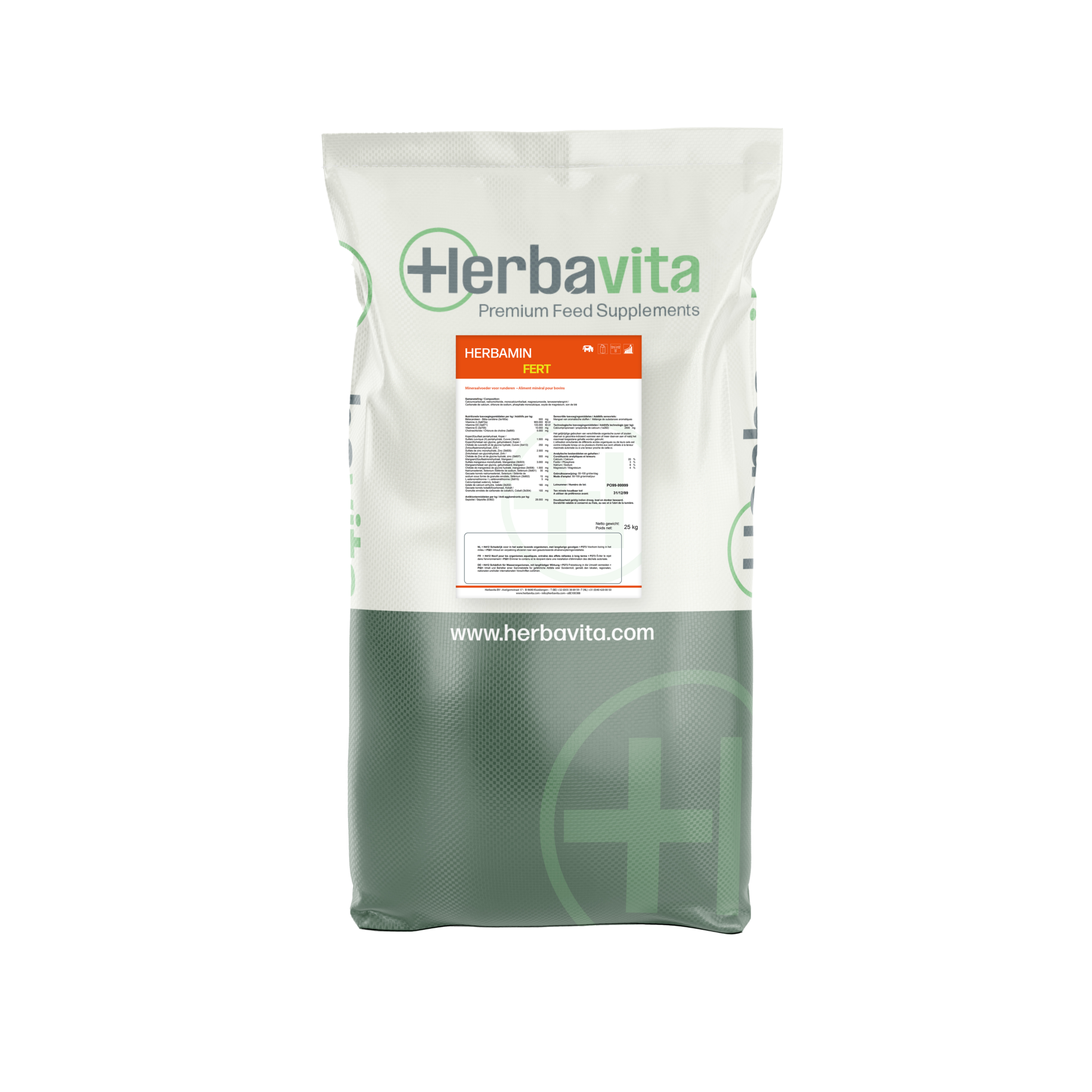
Improve your dairy cattle’s fertility and milk production with Herbamin Fert, enriched with vitamins, minerals, herbs and beta-carotene.
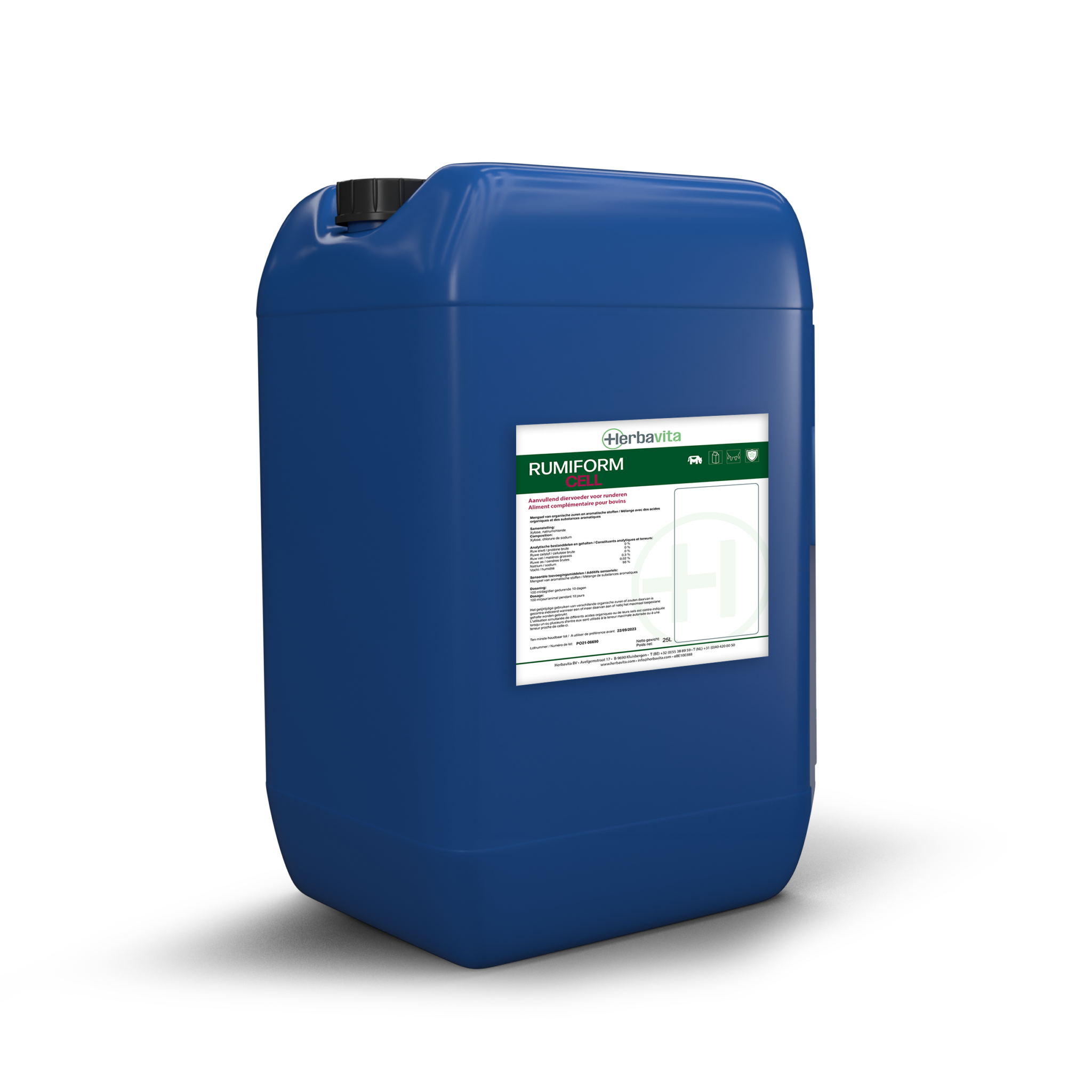
Helps to control the somatic cell count and boosts immunity in high yielding dairy cattle.
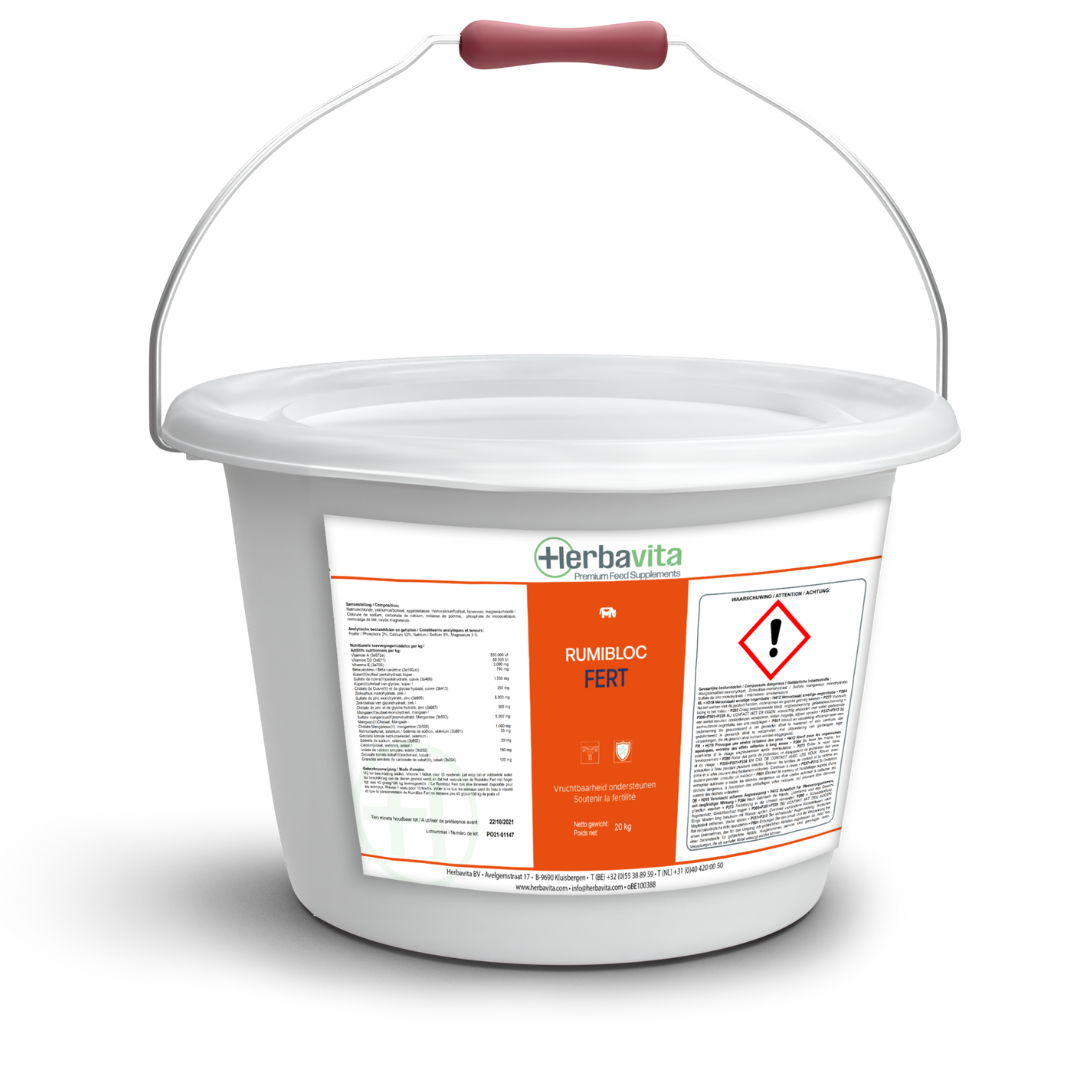
Promotes the fertility of cattle, both cow and bull, for improved reproductive health and productivity.

HerbaMas Bolus supports udder health and lowers the somatic cell count. Now in a new, improved formula with additional vitamin E and Selenium.