Heat Stress in Dry Cows
Share message

Impact on the Unborn Calf and Future Performance
What You See… and What You Don’t
A cow panting, eating less, and drinking more, these are the classic visible signs of heat stress in dairy cattle. What is less visible happens inside the uterus.
During periods of high temperatures, not only the dry cow is affected. The unborn calf is also exposed to maternal heat stress. Heat stress during the dry period therefore impacts two generations simultaneously and has direct consequences for future herd performance and farm profitability.
The Dry Period: A Critical Physiological Phase
The dry period is not a resting phase, but a key stage in the dairy production cycle. It lays the foundation for a successful subsequent lactation, a smooth transition around calving and the development and future performance of the calf.
Key physiological processes during the dry period include:
- Regeneration of mammary tissue
- Development of milk-secreting glandular tissue
- Metabolic adaptation in preparation for lactation
- Intensive fetal growth during late gestation
Disruptions such as heat stress in dry cows can have long-lasting effects on both cow and calf.
Effects of Heat Stress in Dry Cows
Under heat stress, the cow’s physiology prioritizes thermoregulation. Maintaining body temperature becomes the primary goal, leading to increased respiration rate and energy expenditure, reduced dry matter intake (DMI) and metabolic shifts.
This results in a nutrient deficit at a time of high physiological demand:
- Increased risk of negative energy balance
- Reduced efficiency of tissue regeneration
- Impaired mammary gland development
- Higher metabolic stress around calving
Post-calving consequences include:
- Reduced milk yield
- More challenging transition period
- Impaired immune function
- Slower lactation onset
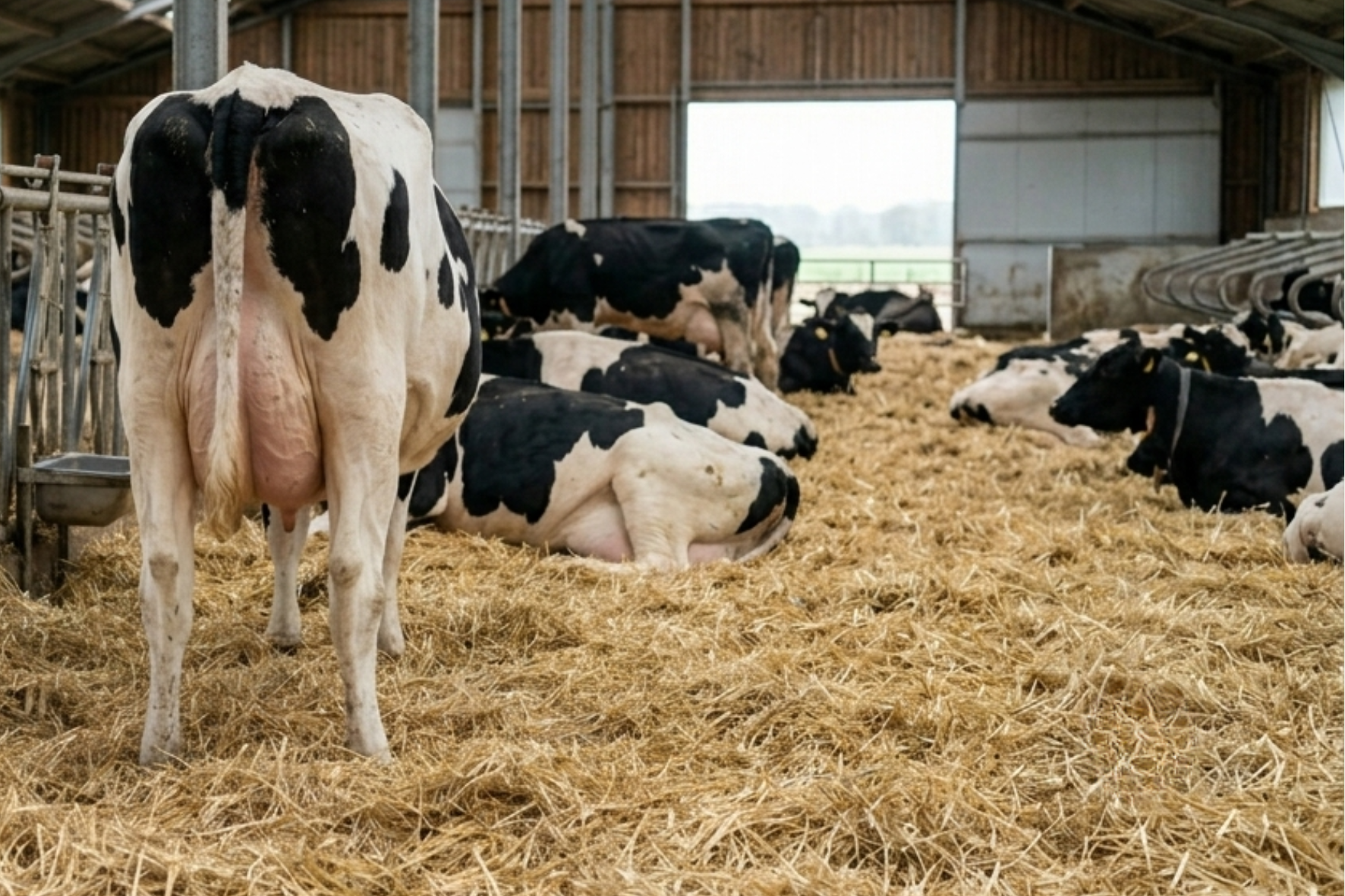
The Unborn Calf: Hidden Consequences
Maternal heat stress alters the intrauterine environment and affects fetal development. Changes in nutrient partitioning and hormonal balance influence:
- Birth weight and early growth
- Immune system development
- Health and resilience
- Future milk production potential
A key mechanism is epigenetic programming: environmental factors during gestation influence gene expression without altering DNA structure. This means heat stress during the dry period can have lifelong effects on offspring performance.
Fertility Begins Before Birth
The reproductive system of the calf also develops during gestation. Heat stress can subtly disrupt this process, with potential long-term consequences: reduced fertility, lower productive performance and increased susceptibility to health disorders. A high-performing dairy cow is therefore shaped even before birth.
Mitigating Heat Stress During the Dry Period
Complete prevention is not feasible, but targeted management significantly reduces the impact.
1. Optimize barn climate
- Adequate ventilation and air exchange
- Effective air circulation
- Sufficient space at resting and feeding areas
- Active cooling (fans, sprinklers where appropriate)
2. Water management as a foundation
- Unlimited access to clean drinking water
- Adequate number of water points
- Monitoring flow rate and hygiene
3. Nutritional strategies under heat stress
- Anticipate reduced dry matter intake
- Increase nutrient density
- Support energy balance and rumen health
- Prepare cows effectively for the transition period
4. Strategic dry period management
The dry period is a strategic opportunity to build future performance:
- Cow health and robustness
- Lactation start and persistency
- Calf vitality
- Overall herd productivity
Key Takeaway
Heat stress in dry cows is not a short-term issue, it has lasting consequences for both the cow and the unborn calf.
Effective dry period management protects two generations at once.
Protect dry cows from heat stress, because top performance starts before birth.
Interesting products
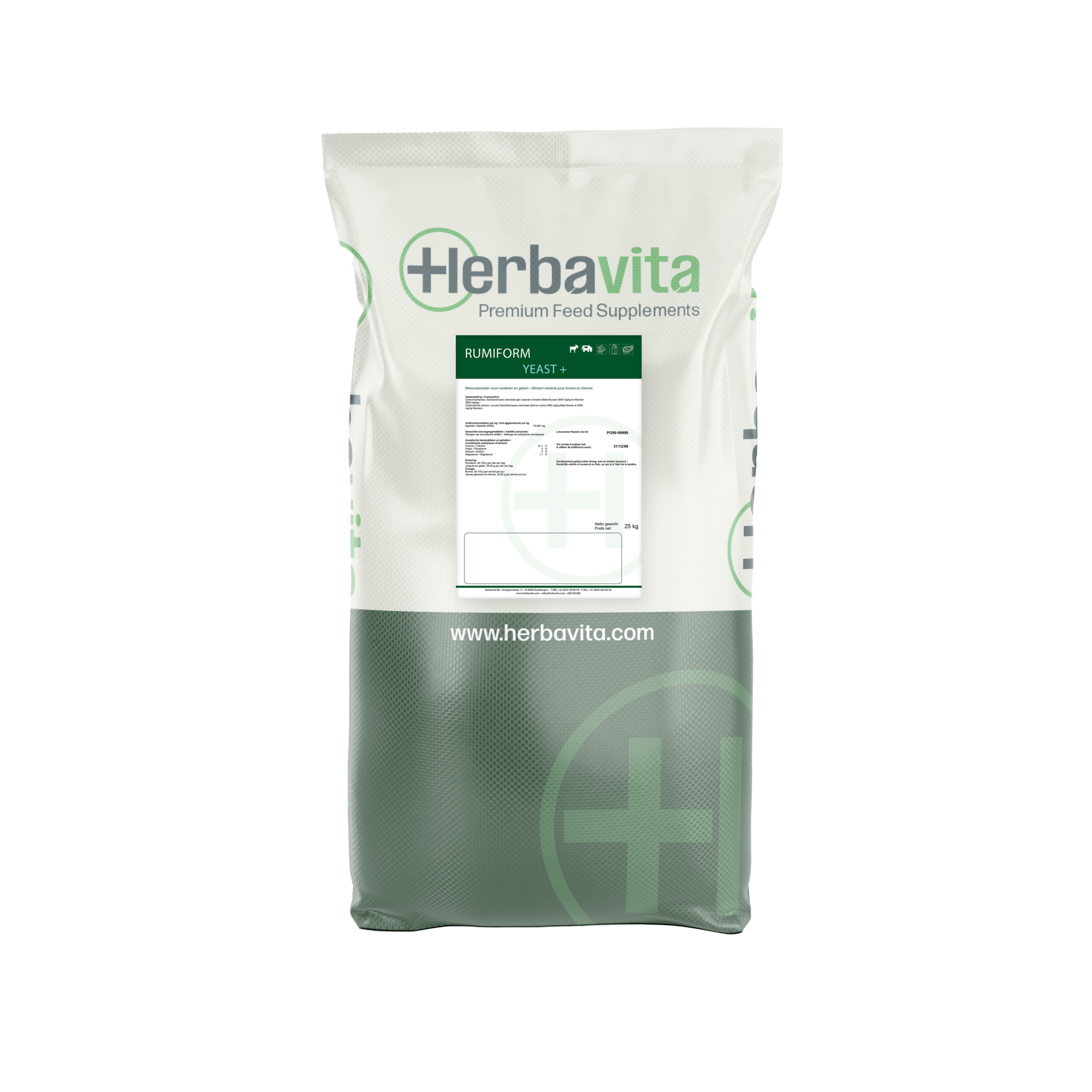
Rumiform Yeast +
Improves digestion, milk production and meat quality and reduces methane emissions.
More info
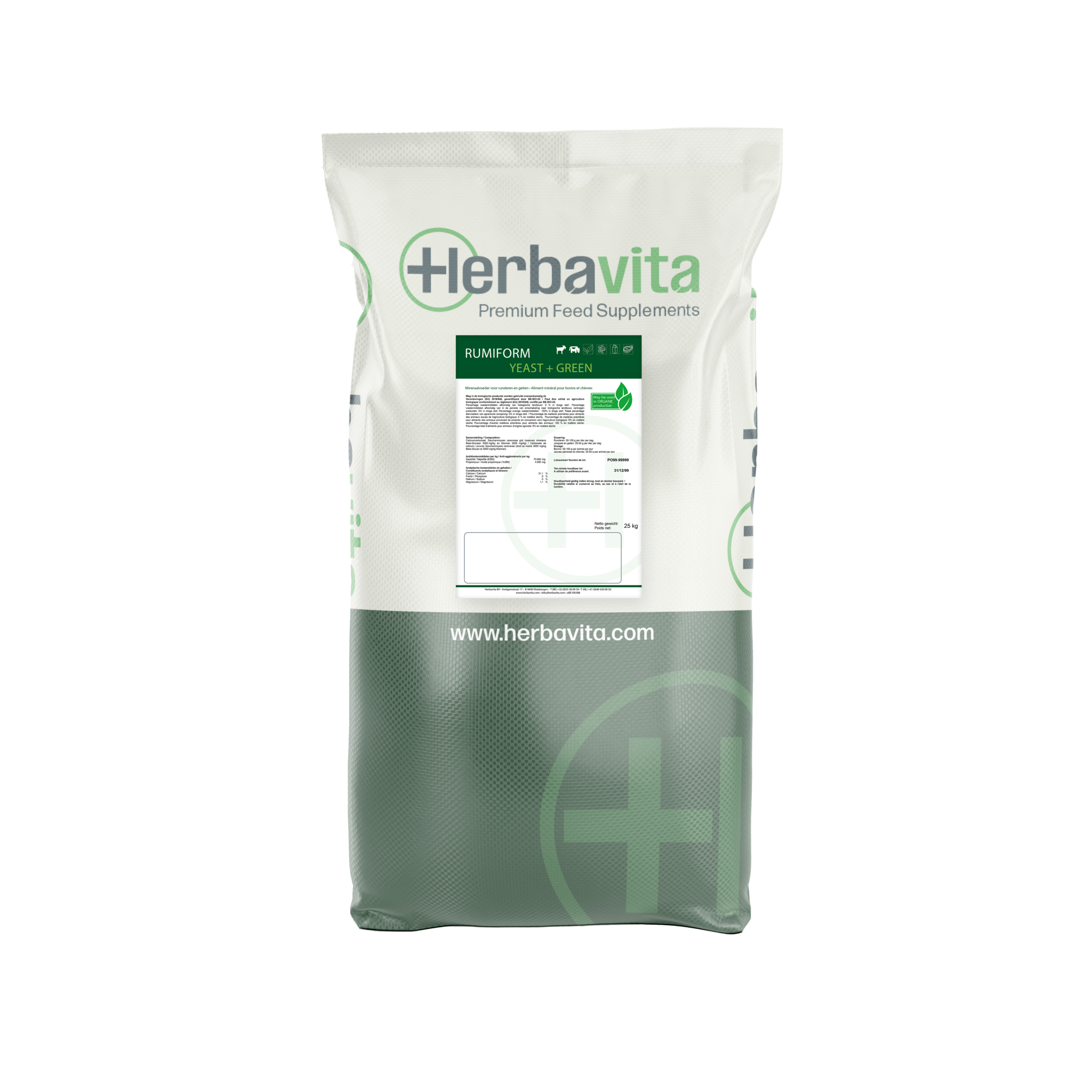
Rumiform Yeast+ Green
Improves digestion, milk production and meat quality and reduces methane emissions. Approved in organic farming.
More info
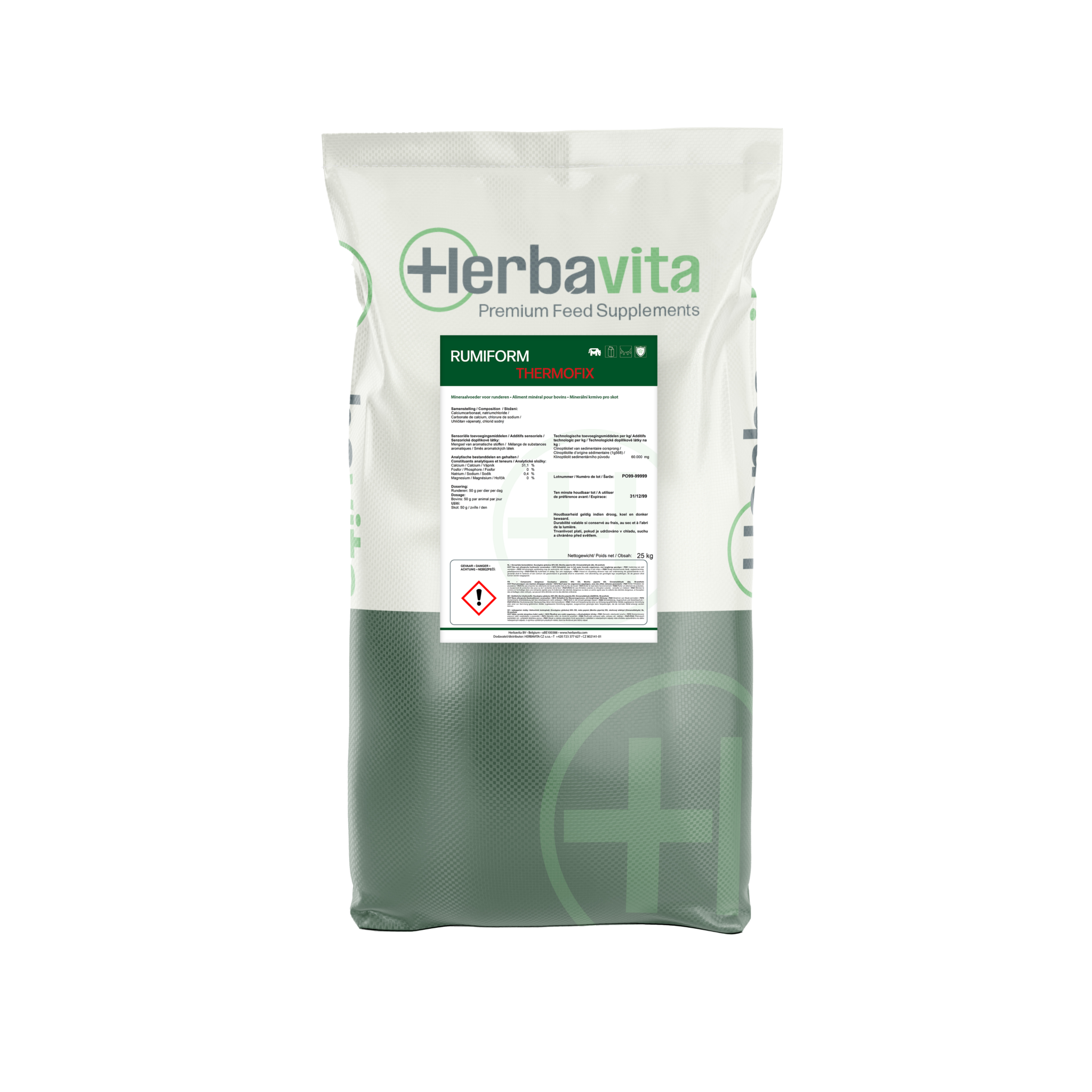
RumiForm ThermoFix
Ondersteun comfort en prestaties bij hitte met RumiForm ThermoFix.