Natural Udder Defense
Share message

A Key Factor in Mastitis Prevention
A healthy udder is equipped with multiple natural defense mechanisms that work together to prevent infection. This protection is essential for maintaining optimal udder health, consistent milk production, and high milk quality.
When these natural defenses function effectively, pathogens have fewer opportunities to invade the udder. This is particularly important, as mastitis remains one of the most prevalent and economically significant diseases in dairy production.
The consequences are substantial: reduced milk yield, impaired milk quality, increased treatment costs, and negative effects on animal welfare. Effective prevention is therefore a cornerstone of profitable and sustainable dairy herd management.
Supporting the udder’s natural defense system is a key strategy. Good hygiene practices, a well-balanced diet, and sound herd management remain fundamental.

1. Anatomical Barriers: The First Line of Defense
The udder is protected by several physical barriers that limit bacterial entry.
The Teat Canal
The teat canal serves as the primary gateway to the udder. Under normal conditions, the sphincter muscle keeps the canal closed. However, after milking, the canal remains partially open for approximately 30 to 120 minutes, increasing the risk of infection.
This period requires particular attention. Minimizing exposure to environmental pathogens during this window can significantly reduce infection risk.
Practical measures include:
- Proper cleaning and disinfection of teats (pre- and post-milking)
- Maintaining clean and dry bedding and walking areas
- Preventing cows from lying down immediately after milking
Keratin: Natural Protection within the Teat Canal
The inner lining of the teat canal contains keratin, a wax-like substance with both physical and antimicrobial properties. During the dry period, keratin forms a natural plug, providing an additional barrier against invading pathogens.
2. The Immune System: Internal Udder Defense
When pathogens bypass physical barriers, the immune system is activated. It consists of two complementary components.
Innate Immunity
The innate immune response provides a rapid, non-specific defense against infection. Neutrophils and macrophages play a central role by recognizing, engulfing, and eliminating pathogens. These cells are rapidly recruited to the site of infection within the udder.
Adaptive Immunity
The adaptive immune response is more specific and relies on immunological memory. Lymphocytes recognize specific pathogens and mount a faster and more efficient response upon repeated exposure.
B lymphocytes produce antibodies that bind to pathogens, facilitating their neutralization and removal by phagocytic cells.
3. The Udder Microbiome: An Additional Protective Layer
Recent research indicates that the udder hosts its own microbial community. This udder microbiome may contribute to protection against mastitis.
Beneficial microorganisms can:
- Compete with pathogens for nutrients
- Occupy adhesion sites
- Produce antimicrobial compounds
A stable and diverse microbiome may enhance resistance to infection. Although this field is still evolving, increasing evidence highlights microbial balance as a relevant factor in udder health.
Supporting Natural Udder Defense
The udder’s natural protection relies on three complementary pillars:
- Physical barriers (teat canal, keratin)
- Immune responses (innate and adaptive immunity)
- Microbial balance (udder microbiome)
Strengthening these mechanisms through management, nutrition, and hygiene contributes to reduced mastitis pressure and more sustainable milk production.
Investing in the cow’s natural defense systems not only supports udder health but also improves the economic performance of the dairy operation.
Interesting products
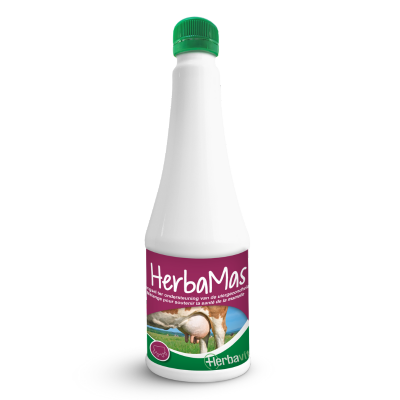
HerbaMas
HerbaMas supports udder health and lowers the somatic cell count.
More info
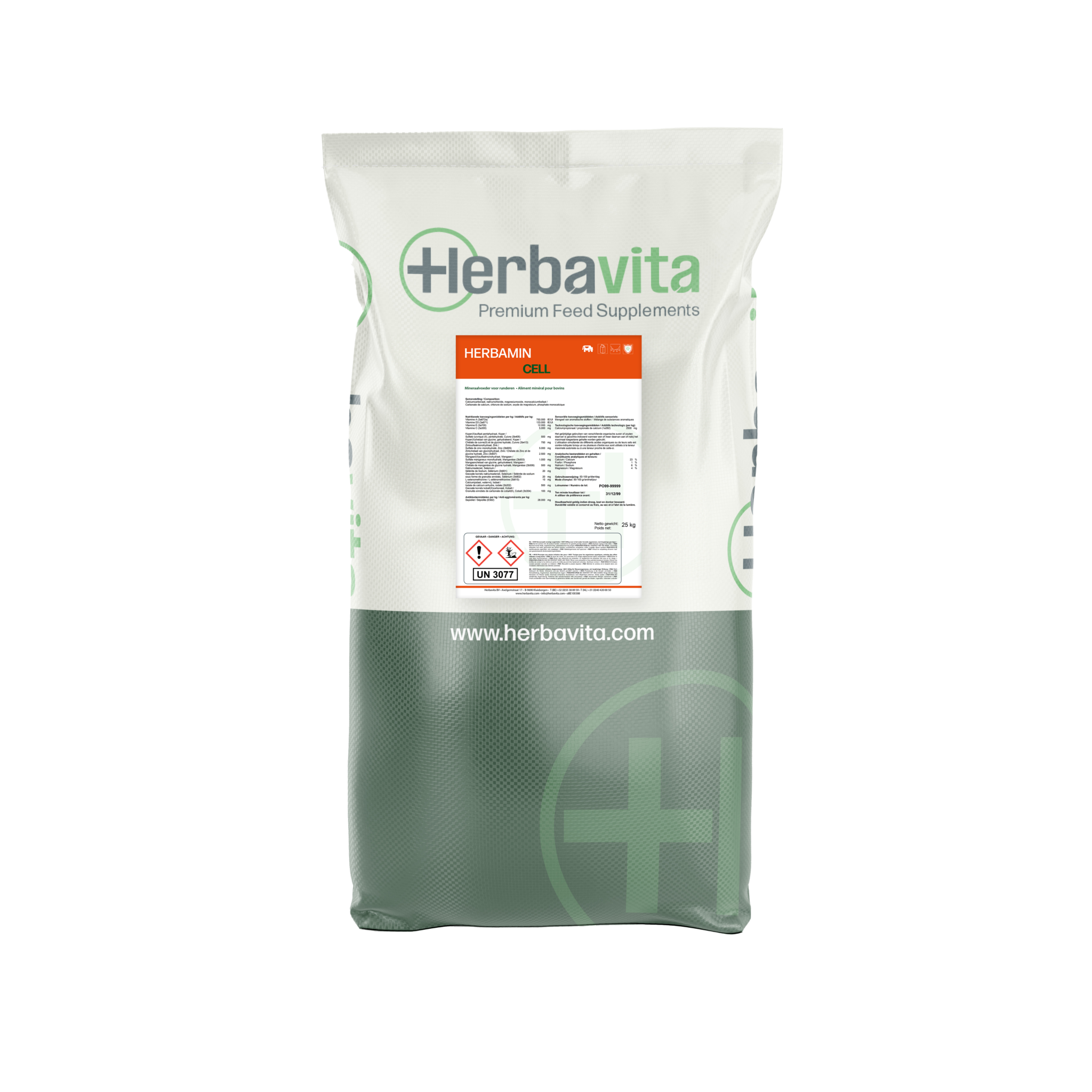
Herbamin Cell
Herbamin Cell improves udder health and lowers somatic cell count in dairy cattle.
More info
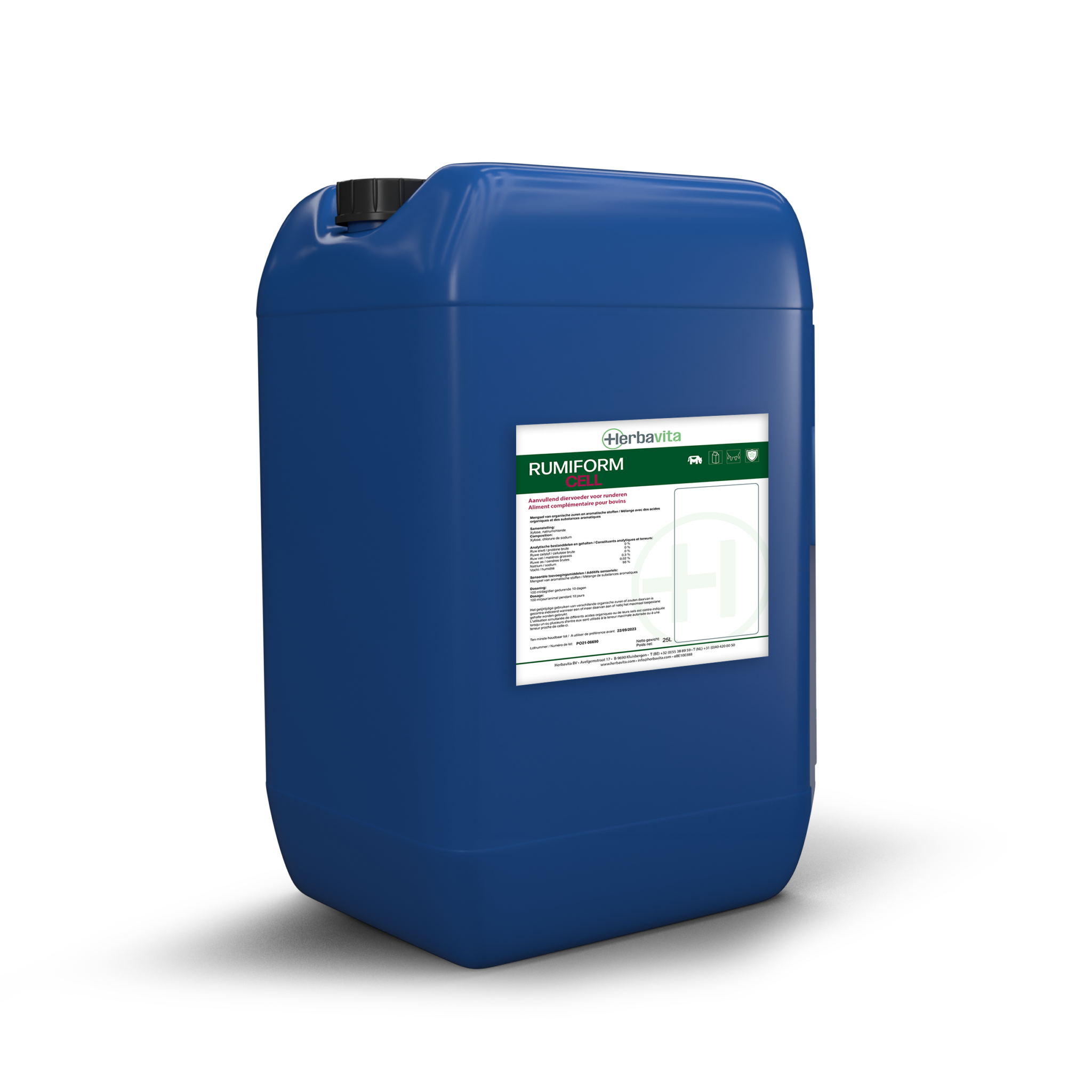
RumiForm Cell
Helps to control the somatic cell count and boosts immunity in high yielding dairy cattle.
More info

HerbaMas Bolus
HerbaMas Bolus supports udder health and lowers the somatic cell count. Now in a new, improved formula with additional vitamin E and Selenium.