Selective treatment of non-severe clinical mastitis.

Written by Emilie, veterinarian
Share message
Antibiotics Only When Needed – How to Handle Clinical Mastitis Smartly!
Every dairy farmer will encounter clinical mastitis at some point. But did you know that not every case of clinical mastitis automatically requires antibiotics? By selectively treating non-severe cases, you can help to reduce antibiotic resistance, lower costs, and promote a healthier herd.
Learn what it is, the benefits it provides, and how it can be put into practice right away.
What Do We Mean by “Selective Treatment”?
Selective treatment refers to a targeted approach in which antibiotics are not automatically administered for every case of clinical mastitis. Instead, each case is carefully evaluated to determine whether treatment is truly necessary. This strategy is applied only to cows with non-severe forms of clinical mastitis (mild or moderate cases).
Before diving deeper, let’s clarify two important points: what exactly is clinical mastitis, and how do we distinguish between non-severe and severe cases?
1. Clinical Mastitis
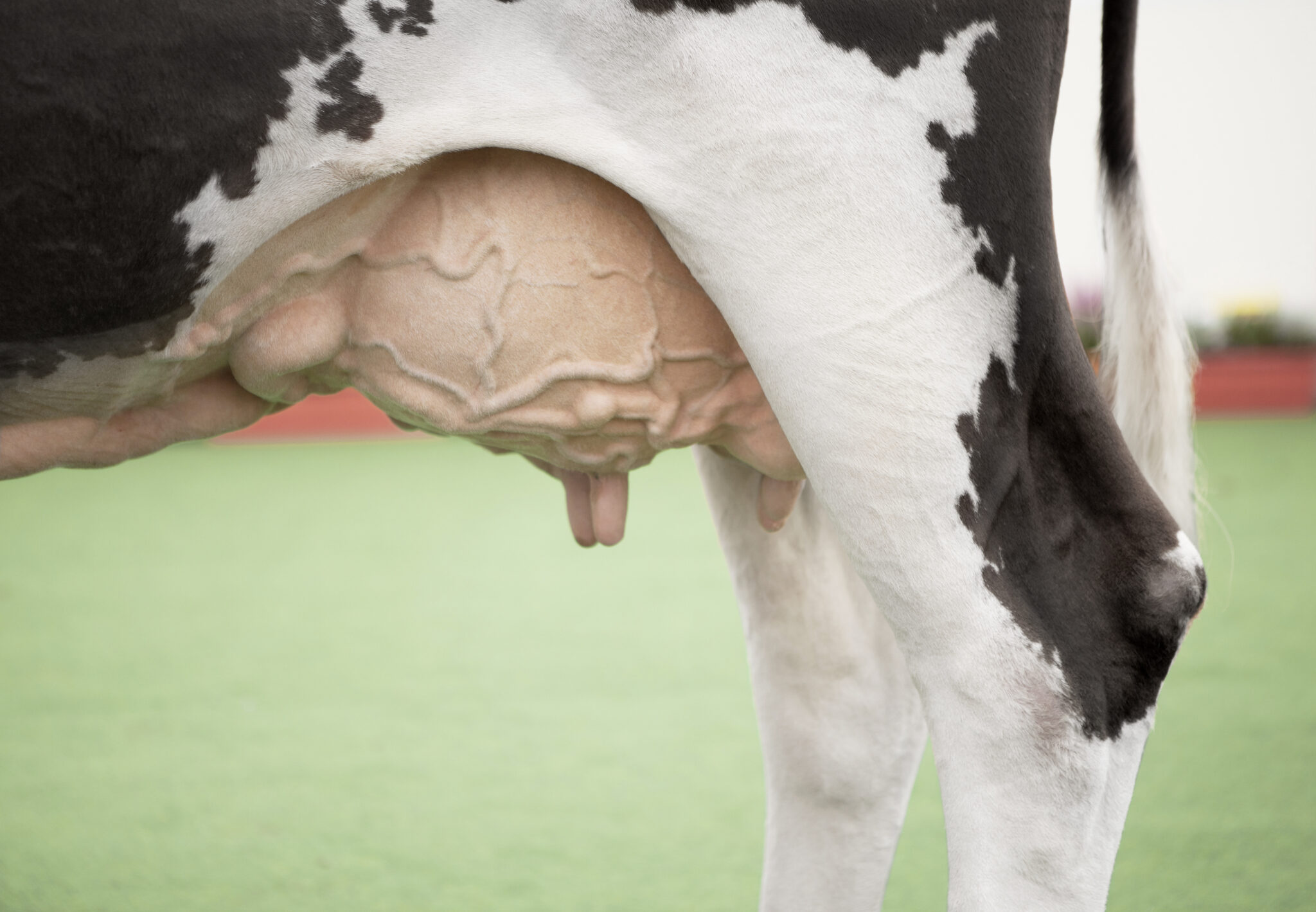
Clinical mastitis is an inflammation of the udder that presents with visible symptoms. The milk may appear abnormal for example, containing flakes, or looking watery or bloody. The affected quarter often shows signs of inflammation, such as pain, swelling, redness, and warmth. In addition, the cow may exhibit general signs of illness, ranging from reduced appetite and fever to, in severe cases, shock or even death. While the cause is most often bacterial infection, other factors such as trauma or fungi can also play a role.
2. Non-Severe Clinical Mastitis
Non-severe cases are characterized by visible changes in the milk or udder without signs of systemic illness. The cow maintains a body temperature of ≤ 39.5 °C and shows no general symptoms. Only animals in this category are eligible for selective treatment.
3. Severe Clinical Mastitis
Severe cases involve changes in the milk or udder accompanied by systemic symptoms, such as reduced appetite, lying down, or a body temperature above 39.5 °C. These animals require immediate veterinary intervention and are not candidates for selective treatment.

Can Every Dairy Farmer Apply Selective Treatment for Clinical Mastitis?
Yes, any dairy farm can implement selective treatment, regardless of size, provided the right guidance is in place. The key to success is close collaboration with your veterinarian, who knows your cows, management practices, and farm-specific conditions.
Together, you can develop a practical, farm-tailored protocol that ensures selective treatment is applied safely and effectively. This approach allows you to responsibly reduce antibiotic use without compromising animal health or milk production.
What Does Selective Treatment Look Like in Practice?
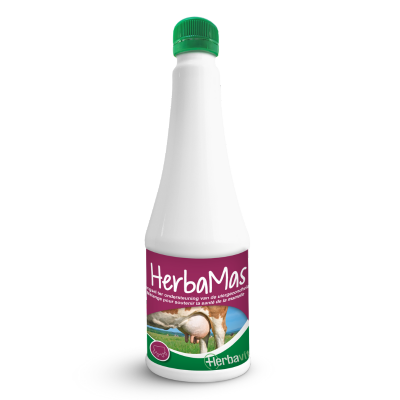
If you notice signs of non-severe clinical mastitis, start by taking a sterile milk sample from the affected quarter. Do not administer antibiotics immediately. Instead, provide supportive care right away for example, with a non-steroidal anti-inflammatory drug (NSAID) or a natural supplement like HerbaMas.
The milk sample should then be sent to the laboratory for a rapid bacteriological test, with results usually available within 24 hours. Antibiotic treatment is only considered if the results indicate a Gram-positive or a polybacterial infection, with the final decision made in consultation with your veterinarian.
Whether or not antibiotics are needed, HerbaMas supports recovery naturally and effectively, with no withdrawal period.
You can find the step-by-step plan here.
Why Selective Treatment Deserves a Place on Your Farm?
Selective treatment of non-severe clinical mastitis isn’t just better for your cows, it’s also better for your business. By cutting antibiotic use by nearly 50%, you protect animal health, help slow antibiotic resistance, and still achieve excellent recovery rates. Cows recover just as quickly, both in visible symptoms and in clearing the infection from the udder.
Milk quality and production remain stable, and milk often returns to the tank around three days sooner—reducing losses and boosting profitability.
Regular milk sample analysis provides valuable insight into the specific mastitis pathogens present on your farm. With this information, you and your veterinarian can fine-tune treatments and strengthen your prevention strategy.
The bottom line: selective treatment is effective, sustainable, and financially wise. A true win-win for every dairy operation.
References
– Handleiding selectief behandelen niet-ernstige klinische mastitis. M-team Ugent
– Creytens et al. (2024) Noodzakelijke stappen naar een daling van het antibioticumgebruik op Vlaamse melkveebedrijven – Deel 2: selectief behandelen van niet-ernstige klinische mastitis.
Additional literature or scientific references are available upon request.
Discover Herbavita’s range of products for the selective treatment of clinical mastitis in cows. Our experienced advisors will be happy to visit you for tailored advice. Click here to request a no-obligation information meeting.
Emilie, veterinarian
Regulatory Affairs Officer – Veterinary Surgeon