Worms in cattle: how significant is the hidden economic damage?
Share message
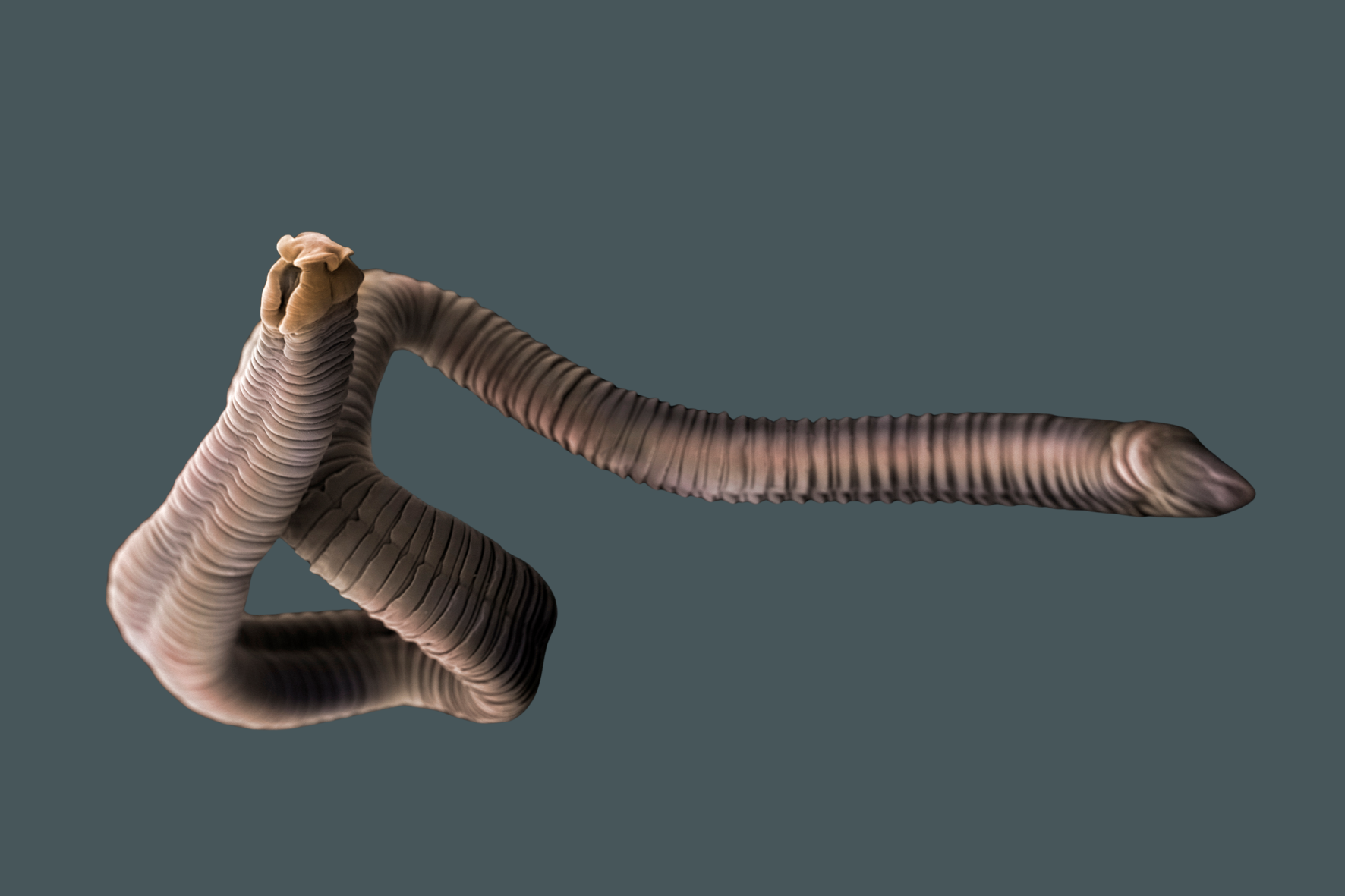
What is the real cost of worm infections in cattle?
More than many livestock farmers realise.
Worm infections often occur without obvious symptoms, but they do have a direct impact on milk production, growth and fertility.
The result: creeping production losses and rising costs that weigh heavily on the company’s profitability year after year. In this blog, we take a closer look at which worm infections have the greatest economic impact, how much financial damage they cause, and why a well-considered, sustainable approach is essential.
Let’s Talk About Worms
Parasitic worms pose a threat not only to cattle health and welfare, but also represent a major limiting factor and economic burden for the livestock industry in Europe and worldwide. Grazing cattle are continuously exposed to a wide variety of endoparasites, although only a few species are of real clinical and/or economic relevance.
- Gastrointestinal Nematodes: Ostertagia ostertagi and Cooperia oncophora
- Lungworm: Dictyocaulus viviparus
- Liver fluke: Fasciola hepatica
- Rumen fluke: Calicophoron daubneyi
- Beef tapeworm: Taenia saginata
Lungworm infections are increasingly recognised as an important cause of severe respiratory problems in adult cattle. Likewise, infections with Ostertagia ostertagi can trigger significant clinical disease in older animals.
Most parasitic infections in cattle are subclinical, meaning parasites are present without clear outward signs. Nevertheless, they remain economically relevant because they directly compromise herd productivity.
Gastrointestinal nematodes as well as liver and rumen flukes typically follow a chronic course, with the major financial losses stemming from reduced growth, poorer fertility and lower milk yields.
In contrast, lungworm tends to present more acutely and can cause sudden and substantial economic losses at farm level, due to sharp drops in milk production and increased mortality.
Finally, Taenia saginata infections mainly result in considerable economic losses and represent a food safety concern. Clinical effects on the herd itself are generally regarded as negligible or even absent.

The economic impact of worm infections in cattle
Parasitic worm infections are among the most significant health challenges in cattle and sheep. They are responsible for substantial production losses in both developing and industrialised countries.
In modern livestock systems, controlling production costs has become increasingly important, particularly in the dairy sector where margins are often tight. Small improvements in efficiency can be the difference between profit and loss.
The economic impact of worm infections is multifaceted and includes both direct costs, such as treatment of clinically affected animals and the use of prophylactic anthelmintics and indirect costs, such as reduced performance. The latter include lower milk yields and poorer fertility in subclinically infected animals.
Do Worms Eat Into Your Profits?
In 2009, researchers from the Faculty of Veterinary Medicine in Merelbeke estimated the direct costs associated with gastrointestinal nematodes and liver fluke in the Flemish dairy herd:
- Annual costs for gastrointestinal nematodes were estimated at €10 719 909 or approximately €38 per adult cow.
- For liver fluke, the estimated annual cost reached €8 270 765 or around €30 per adult cow.
A 2020 international study quantified the financial consequences of the most important parasitic worm infections across the European ruminant sector (dairy and beef cattle, dairy and meat sheep, and dairy goats).
The authors estimated that parasitic worms cost European livestock production more than €1,8 billion per year, of which 81% (€1,46 billion) was due to production losses and 19% (€0,35 billion) to treatment costs. The study also showed that the economic impact was considerably greater in dairy systems compared to beef systems. For Belgium, the annual economic losses from major parasitic worm infections were estimated at €41 million, of which 87% resulted from production losses.
Finally, bovine cysticercosis also causes substantial economic losses for the Belgian beef sector. The average annual cost was estimated at €3 408 455 with cattle producers bearing the largest share of the financial burden.

Shifting Focus
Over the past decade, the approach to diagnosing parasitic worm infections in livestock has evolved. Whereas the emphasis used to be on simply detecting the presence or absence of infection, the focus is now primarily on assessing the impact these infections have on production. This shift also informs decisions regarding further diagnostics and the implementation of control measures.
To worm or Not to worm – That’s the question
Parasitic worm infections have been primarily controlled through the use of anthelmintics. However, deworming strategies have evolved considerably. Growing concerns about parasite resistance, environmental impact, biodiversity, climate change, and animal welfare have led to a strong push for more responsible use of deworming treatments.
Deworming programs differ from farm to farm and are best designed in consultation with a veterinarian. It is now well recognised that deworming strategies should be integrated with herd monitoring (e.g., fecal egg counts) and pasture management.
The ultimate goal is to control parasites in a sustainable way.
An effective endoparasite control program should ideally focus on:
- Interrupting the parasite’s life cycle
- Minimising the harmful effects of parasites on livestock
- Preventing pasture contamination by reducing egg shedding
The objective should never be to keep animals completely parasite-free, as this would hinder the development of natural immunity. Instead, the goal is to achieve a balanced approach, providing protection while allowing controlled exposure to parasites so that sufficient immunity can develop.
Tips for Controlling Worms in Cattle
1. Assess the Risk – Understand which parasites are present and which groups of animals are most at risk.
2. Monitor Closely – Regularly check herd health and parasite levels, e.g., through fecal egg counts.
3. Control Strategically – Apply targeted treatments and combine with pasture management to break the parasite life cycle.
4. Prevent Resistance – Rotate anthelmintics responsibly and avoid overuse to reduce the development of resistant parasites.
5. Support Gut Health – Promote overall digestive health through proper nutrition, probiotics, and management practices.

What Else Is Important to Know?
During the grazing season, the gut health of cattle comes under significant pressure. Vitamins, minerals, and trace elements are essential for maintaining optimal health and productivity in livestock.
Herbavita’s lick blocks are highly effective in preventing potential deficiencies and provide targeted support through their added herbal components. Rumibloc Pur, for example, contains a carefully selected blend of herbs that strengthens the natural defenses of your cattle and helps maintain a balanced gut flora, contributing to overall digestive health.
With the growing success of organic farming, the rising issue of parasite resistance, and increasing concerns over chemical residues in animal products and the environment, there is a greater demand for alternative and natural control strategies.
In both traditional and veterinary medicine, secondary metabolites from medicinal herbs have been used for centuries to treat a variety of digestive and parasitic conditions. Alongside conventional prevention and control measures such as vaccination, deworming, and pasture management. There is now increasing interest in the potential use of nutraceuticals and/or natural control methods to support parasite control in livestock.

Summary
- Parasitic worms are a major limiting factor for profitable livestock production.
- Subclinical worm infections are the main cause of production losses in grazing animals.
- The importance of a sustainable worm control program cannot be overstated.
- Support the gut health of your animals to enhance overall productivity and resilience.
Some of the references used in this article are listed below – the remaining references are available on request.
- Charlier, J. et al. (2009). An estimate of the direct costs caused by gastrointestinal nematode and liver fluke infections in dairy cattle in Flanders. Vlaams Diergeneeskundig Tijdschrift, 78.
- Charlier et al. (2020) Initial assessment of the economic burden of major parasitic helminth infections to the ruminant livestock industry in Europe. Preventive Veterinary Medicine, 182. https://www.sciencedirect.com/science/article/abs/pii/S0167587720301902?via%3Dihub
- Jansen et al. (2018) Economic impact of bovine cysticercosis and taeniosis caused by Taenia saginata in Belgium. Parasites & Vectors 11, 241. https://www.researchgate.net/publication/324510406_Economic_impact_of_bovine_cysticercosis_and_taeniosis_caused_by_Taenia_saginata_in_Belgium
- COWS – control of Worms Sustainably https://www.cattleparasites.org.uk/app/uploads/2019/07/Worming-have-you-got-it-right-For-wesbsite.pdf
- Lans et al. (2007). Ethnoveterinary medicines used for ruminants in British Columbia, Canada. J Ethnobiol Ethnomed. 3:11.
- Mali and Mehta (2008). A review on anthelmintic plants. Nat Prod Rad 7:466–75.