10-Step Guide to Optimal Udder Health in Dairy Cattle
Share message

Optimal udder health in dairy cattle is essential for high milk production, animal welfare, and food safety.
Here are the key points:
1. Good Milking Practices: Protecting Cows from Udder Infections
A careful pre-milking routine is essential for keeping cows healthy and milk safe. Start by cleaning each cow’s udder and teats with a clean, dry cloth to prevent the spread of bacteria. For very dirty udders, water can be used, but make sure the teats are completely dry before attaching the milking machine.
Hygiene is just as important: always wear milking gloves and disinfect them regularly.
Stripping, letting a few streams of milk flow before milking, removes bacteria-rich milk, helps detect early changes in milk quality, and stimulates oxytocin for a smooth milk let-down. The milking unit should only be attached 60 seconds after starting the pre-milking routine, following ‘the 60-second rule’.
After milking, the teats should be dipped or sprayed immediately to kill bacteria and prevent new infections.
2. Preventive Maintenance for Your Milking Machine
A poorly adjusted milking machine can have serious consequences, including udder damage, a higher risk of mastitis, and reduced milk production.
This highlights the importance of keeping your milking equipment in top working order.
It’s recommended that the machine undergo preventive maintenance at least once a year by a certified technician.
During this maintenance, key components—such as teat liners, vacuum pumps, and milking clusters—are thoroughly inspected. Worn or misaligned parts are replaced or adjusted to ensure the machine runs efficiently and safely.
3. Improve Barn Comfort and Hygiene
The risk of mastitis can be greatly reduced by paying attention to both comfort and hygiene in the barn. A well-designed barn environment supports the overall health of the cows and lowers their risk of infection.
Clean, dry, and comfortable lying areas are essential, as they limit the udder’s exposure to bacteria. Using plenty of clean bedding, such as straw or sawdust, plays a key role in maintaining hygiene and comfort for the cows.
Good ventilation is equally important. A well-ventilated barn improves air quality, reduces humidity, and prevents the buildup of harmful gases, all of which support the cows’ health.
Cows also need enough space to move freely. A smart barn layout with wide walkways and sufficient stalls promotes animal welfare, prevents competition for space and feed, and helps reduce stress. Reducing stress is crucial, because stress weakens the immune system, making cows more susceptible to infections like mastitis.

4. Treat Both Clinical and Subclinical Mastitis Carefully
It’s important to treat both clinical and subclinical mastitis with proper care. Motivation to address subclinical mastitis is often lower, especially when somatic cell counts remain below the European legal threshold of 400 000 cells per ml of milk. Unlike clinical mastitis, subclinical cases show no visible symptoms, which can make them seem less urgent.
However, both types of udder inflammation significantly impact milk production and quality. It’s also important to remember that untreated subclinical mastitis can lead to chronic issues and increase the risk of spreading infections within the herd.
5. Optimize Dry Period Management
Optimizing dry period management is key to improving the health, welfare, and productivity of dairy cows. Ideally, a cow should be dried off approximately 6-8 weeks (42-60 days) before the expected calving date. During this period, maintaining a body condition score (BCS) between 3,0 and 3,5 is recommended.
Nutrition plays a central role in dry period management. The diet of dry cows should be carefully tailored to their specific needs. Key objectives include:
1. Optimizing energy balance to support health and future milk production.
2. Supporting rumen function in preparation for the higher feed intake during lactation.
3. Balancing minerals to prevent deficiencies and metabolic issues.
4. Enhancing immune function to help cows fight infections and stay healthy.
A well-managed dry period sets cows up for a strong start in their next lactation, benefiting both the animals and the farm. Housing is also an important factor during the dry period. A comfortable and well-designed environment supports cow welfare and has a significant impact on their health, behaviour, and productivity.
Finally, regular health checks are essential to detect and address issues early, such as udder infections or loss of body condition. Early intervention helps cows transition smoothly into the next lactation and reduces the risk of complications.
6. Remove Chronically Infected Cows in Time
No livestock farmer enjoys culling animals, but removing chronically infected dairy cows is essential for protecting the overall health of the herd. Acting in time helps prevent the spread of disease, keeps milk production stable, and maintains milk quality. It also supports the welfare of healthy cows, who are less likely to be exposed to infection pressure.
7. Give Heifers the Extra Care They Need
Good housing is essential for the well-being of heifers. Providing enough space for them to move freely supports both their physical and mental health, helping to reduce stress. A clean and well-ventilated barn not only lowers the risk of disease but also promotes overall welfare by creating a healthy living environment. This reduces the likelihood of infections and respiratory problems.
Nutrition also plays a crucial role. Feeding strategies should be carefully tailored to the specific needs of heifers based on their age, growth, and stage of development. A balanced diet that provides essential nutrients supports optimal growth, strengthens the immune system, and improves resistance to disease.
8. Aim for a Closed Herd System
Purchasing cows from outside the farm carries significant risks, particularly when it comes to introducing new pathogens. These can compromise overall herd health and have a direct impact on udder health within the dairy operation.
Implementing quarantine procedures for newly purchased animals can help reduce these risks. By isolating new cows before integrating them into the main herd, the chance of spreading infectious agents is greatly reduced.
9. Improve Genetic Udder Health
In recent years, there has been growing attention to the genetic predisposition for udder health in dairy cattle. Udder health is a heritable trait, although the heritability rate is relatively low. Even so, by carefully selecting sires with strong udder health traits generation after generation, farmers can achieve significant improvements in the health and quality of their herd.
In practice, more and more dairy farmers are choosing bulls that excel in udder health characteristics.
10. Monitor Udder Health Monthly
Regular monitoring of udder health is essential for maintaining herd health and ensuring optimal milk production.
Consistently measuring somatic cell counts provides dairy farmers with a continuous overview of udder health at the individual cow level.
The quickest and easiest way to detect cows with subclinical mastitis is to subscribe to a milk recording program. Another option is to collect composite samples from all four quarters of each cow every 4 to 6 weeks and submit them to the dairy laboratory for analysis.
Interesting products
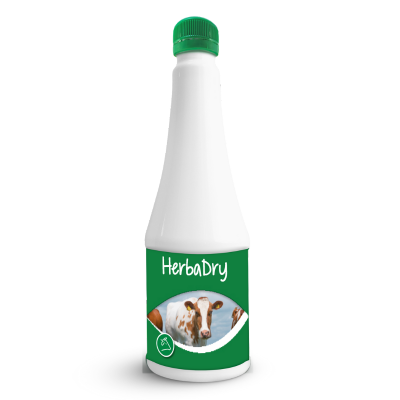
HerbaDry Green
Inhibits milk production and aids in the drying of dairy cattle. Allowed in organic farming.
More info
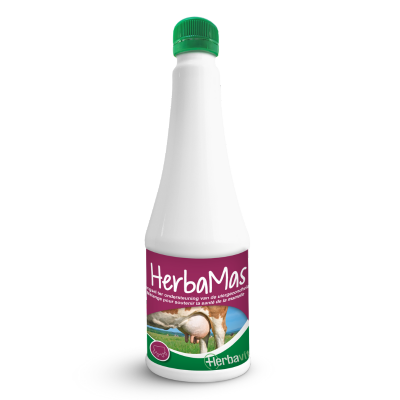
HerbaMas
HerbaMas supports udder health and lowers the somatic cell count.
More info
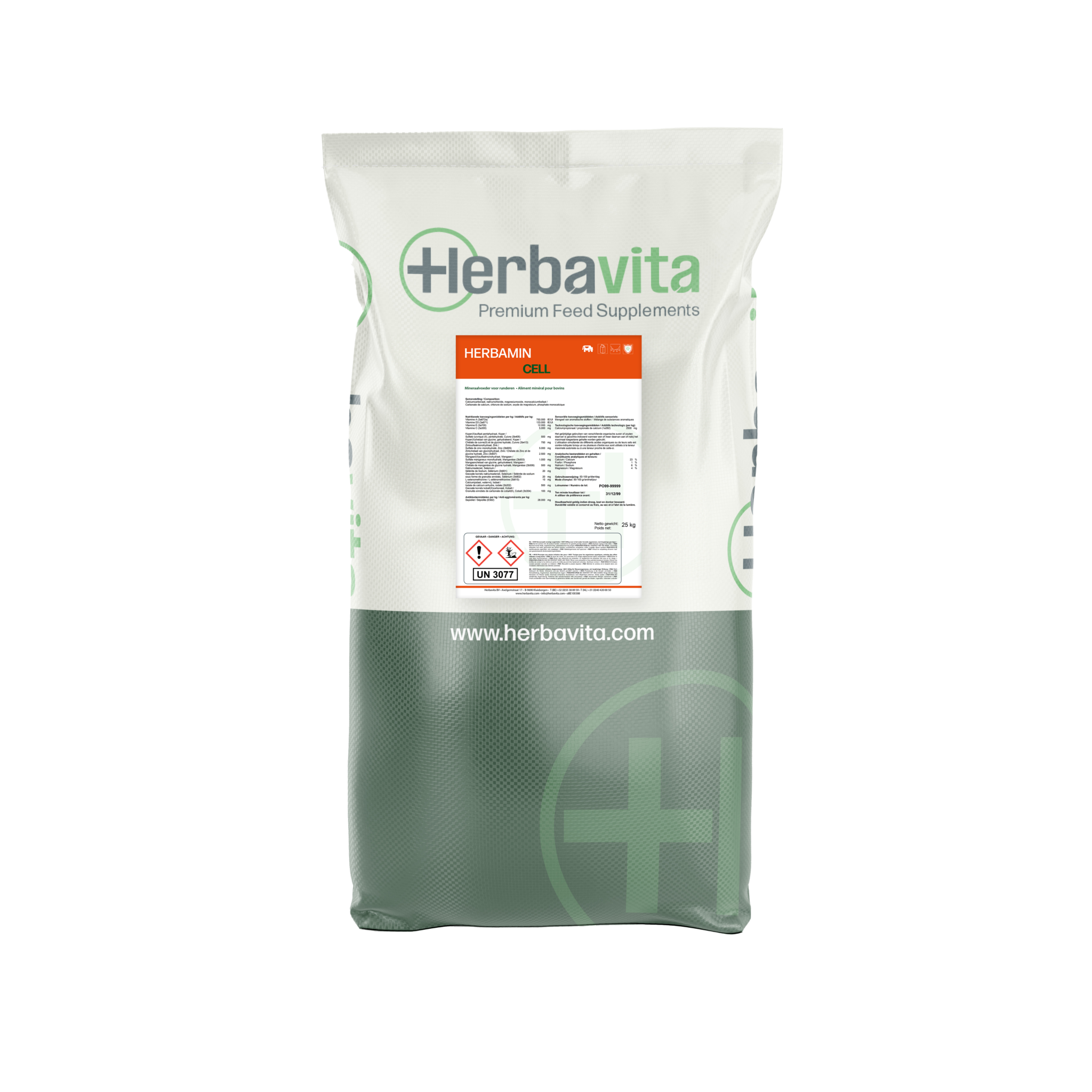
Herbamin Cell
Herbamin Cell improves udder health and lowers somatic cell count in dairy cattle.
More info
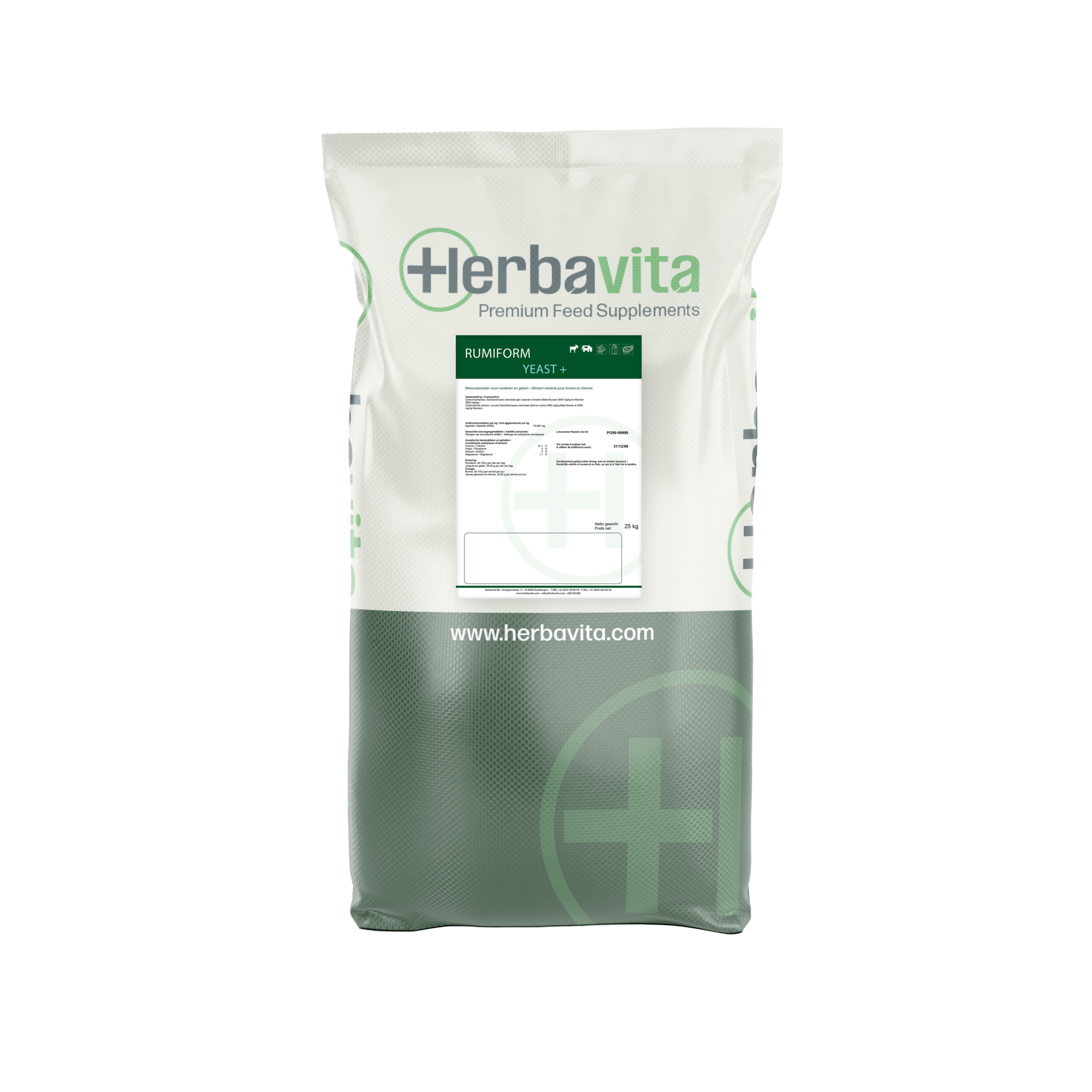
Rumiform Yeast +
Improves digestion, milk production and meat quality and reduces methane emissions.
More info
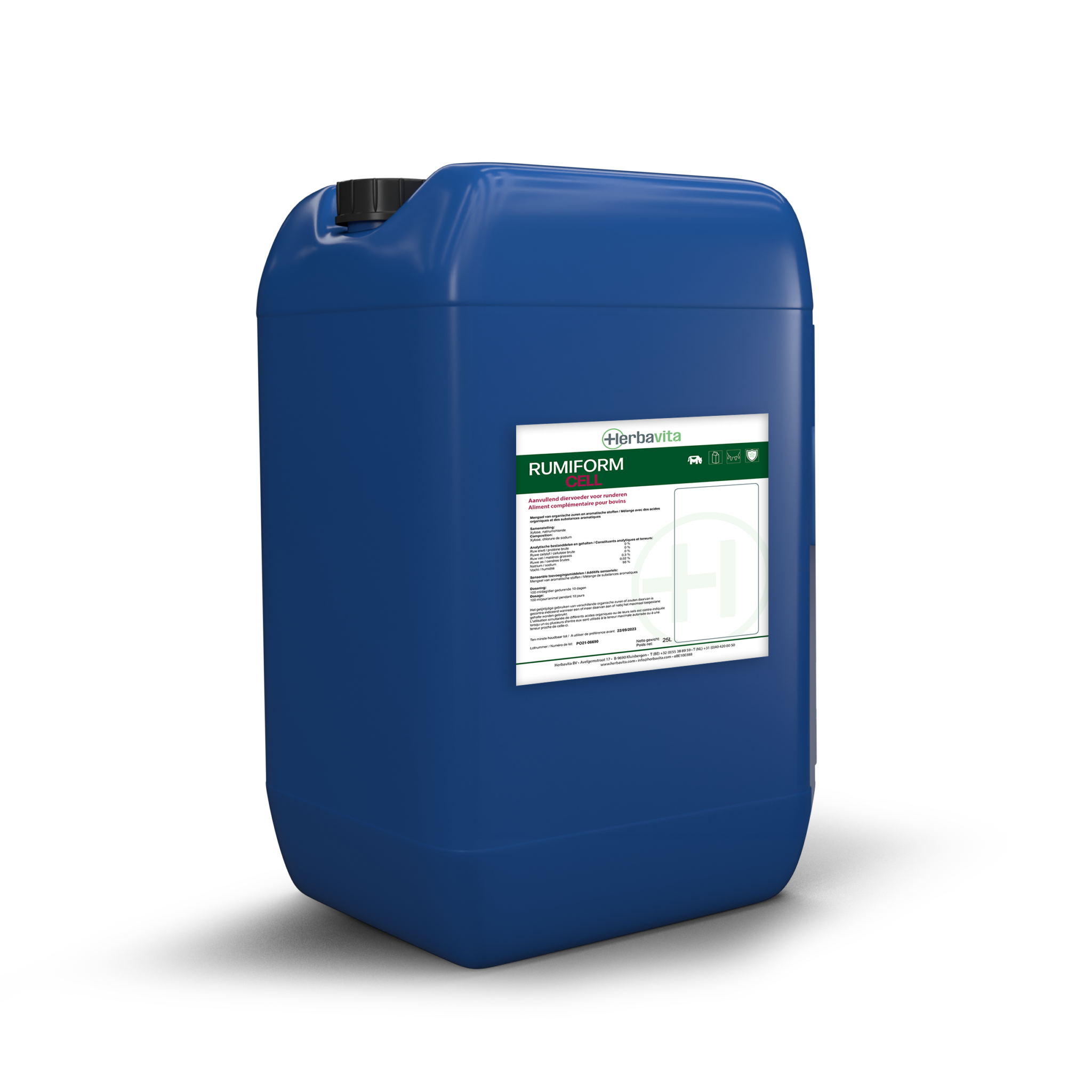
RumiForm Cell
Helps to control the somatic cell count and boosts immunity in high yielding dairy cattle.
More info

HerbaDry Bolus
Inhibits milk production and aids in the drying of dairy cattle.
More info

HerbaMas Bolus
HerbaMas Bolus supports udder health and lowers the somatic cell count. Now in a new, improved formula with additional vitamin E and Selenium.