What’s the 60-second rule?
Share message
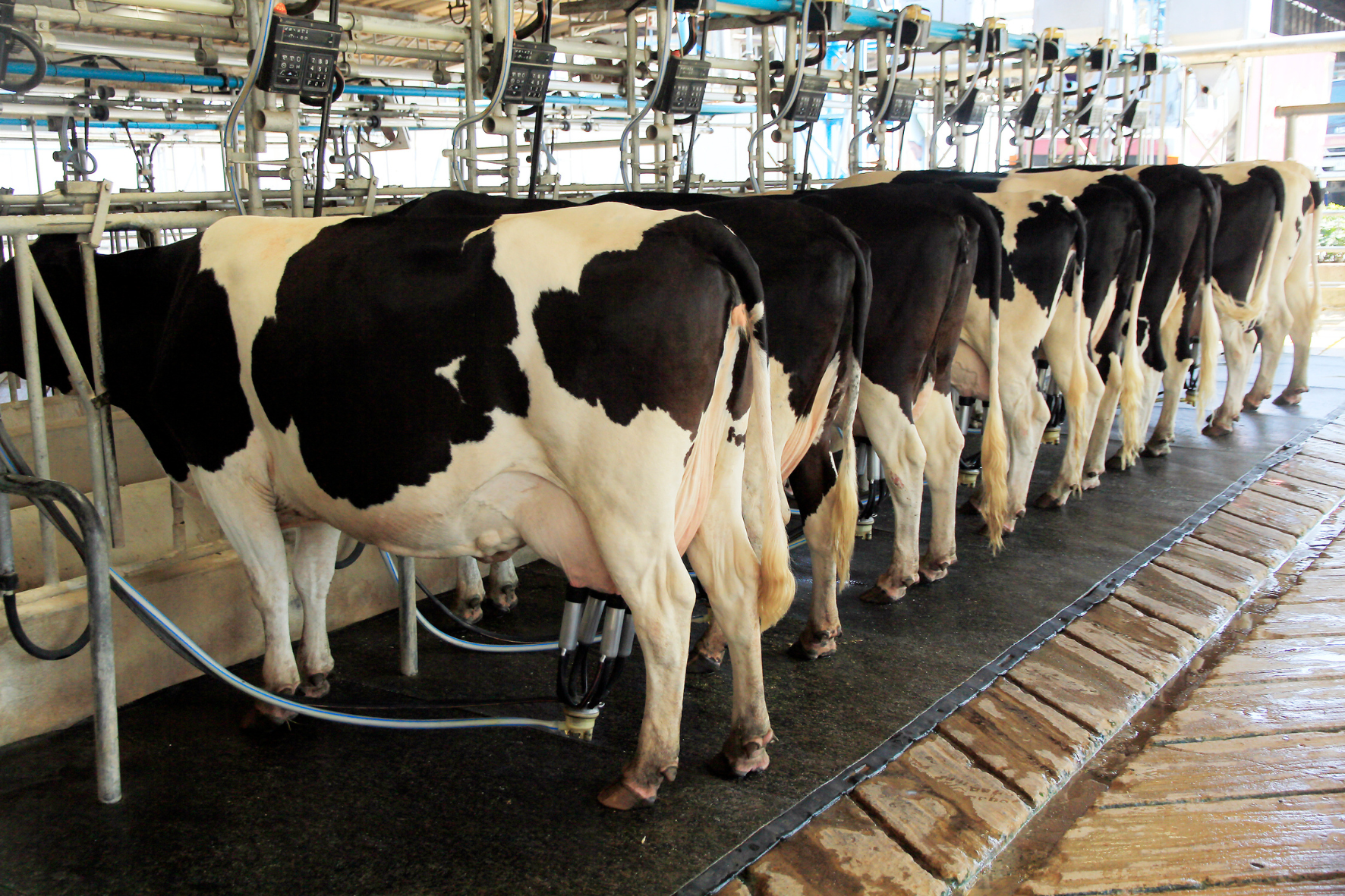
The milk in a cow’s udder can be divided into two fractions. A small fraction, accounting for approximately 20%, is stored in the udder cisterns and is immediately available. However, the largest fraction, comprising 80% and known as the alveolar fraction, only becomes available after the let-down reflex.
Milk production is regulated by two important hormones: oxytocin and prolactin. Oxytocin plays an essential role in the let-down reflex. When the calf starts suckling or when the teats and udder are stimulated during pre-treatment (such as teat stripping and cleaning), a signal is sent to the cow’s brain. This leads to the release of oxytocin by the pituitary gland.
Oxytocin takes approximately 60 seconds to travel from the brain to the udder via the bloodstream. There, oxytocin binds to specific receptors on the myoepithelial cells surrounding the alveoli. This binding causes the myoepithelial cells to contract, pushing the milk from the alveoli into the milk ducts. This process is called the let-down reflex.
Applying the 60-second rule, waiting 60 seconds between pre-treating the udder and attaching the milking cluster, ensures optimal milk flow. This results in shorter milking times and reduces stress for both the cow and the milker. It also reduces the risk of mastitis and teat damage, which is crucial for the cow’s welfare.
In practice, this rule can be easily applied by pre-treating a few cows in succession. You then return to the first cow to attach the milking cluster.
Interesting products
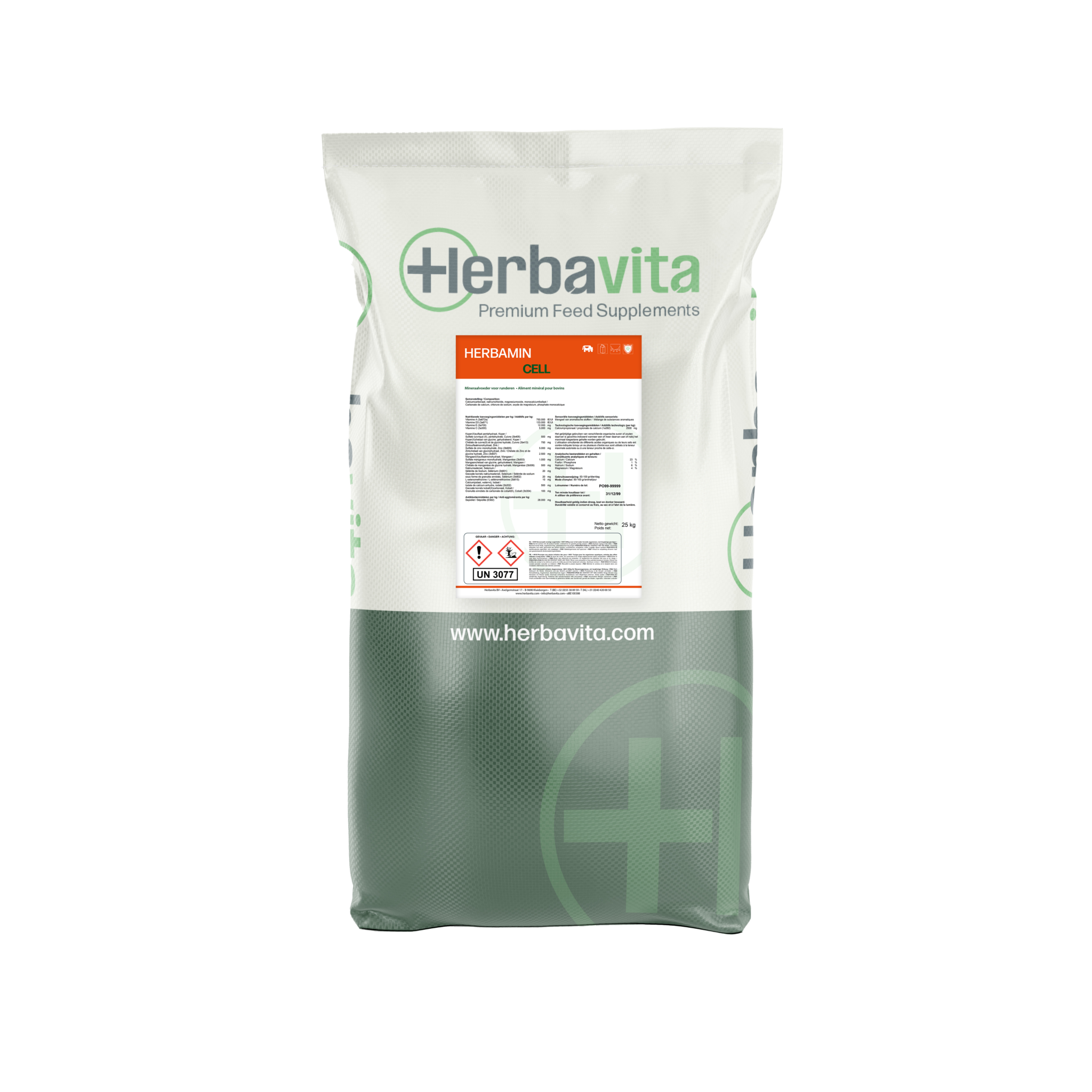
Herbamin Cell
Herbamin Cell improves udder health and lowers somatic cell count in dairy cattle.
More info
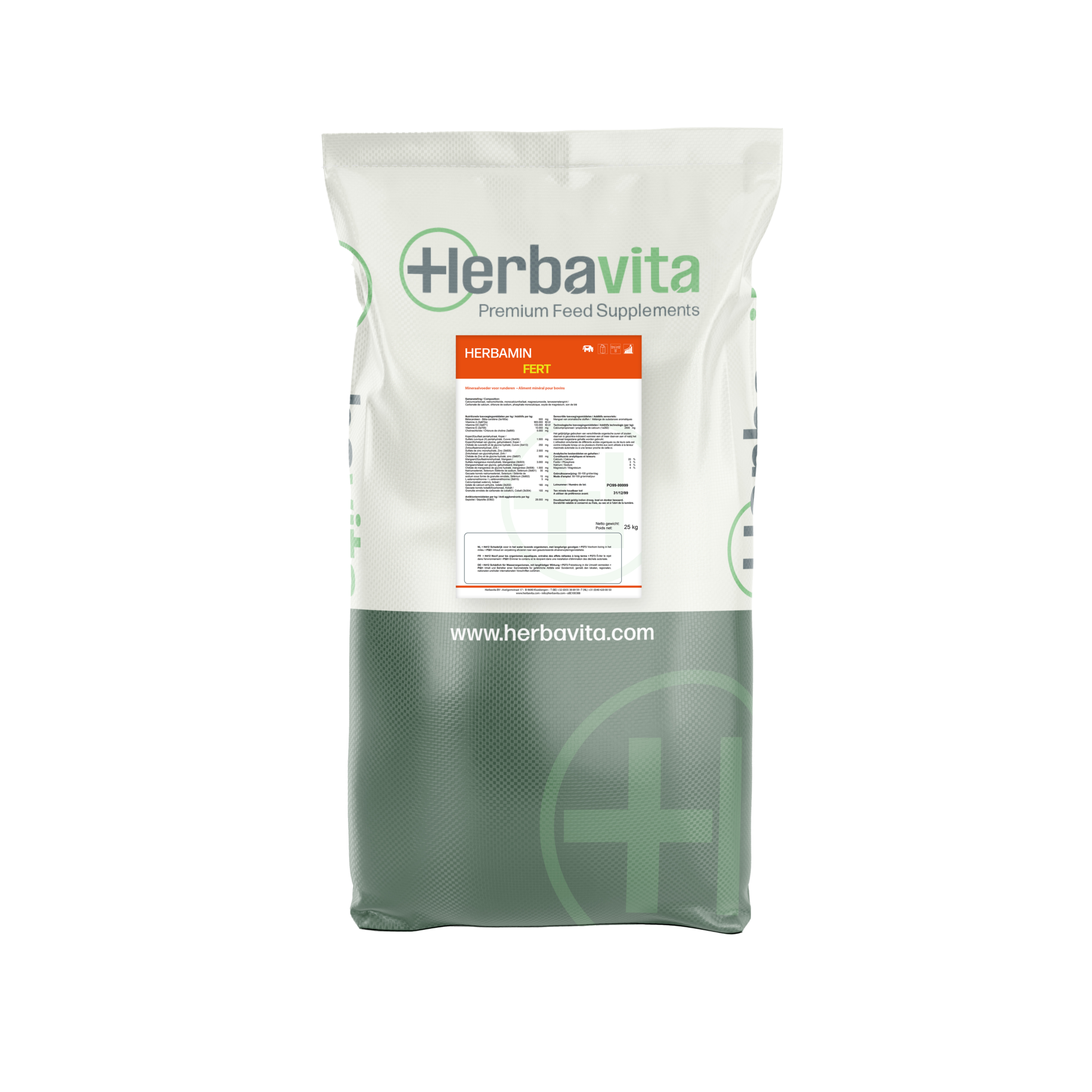
Herbamin Fert
Improve your dairy cattle’s fertility and milk production with Herbamin Fert, enriched with vitamins, minerals, herbs and beta-carotene.
More info
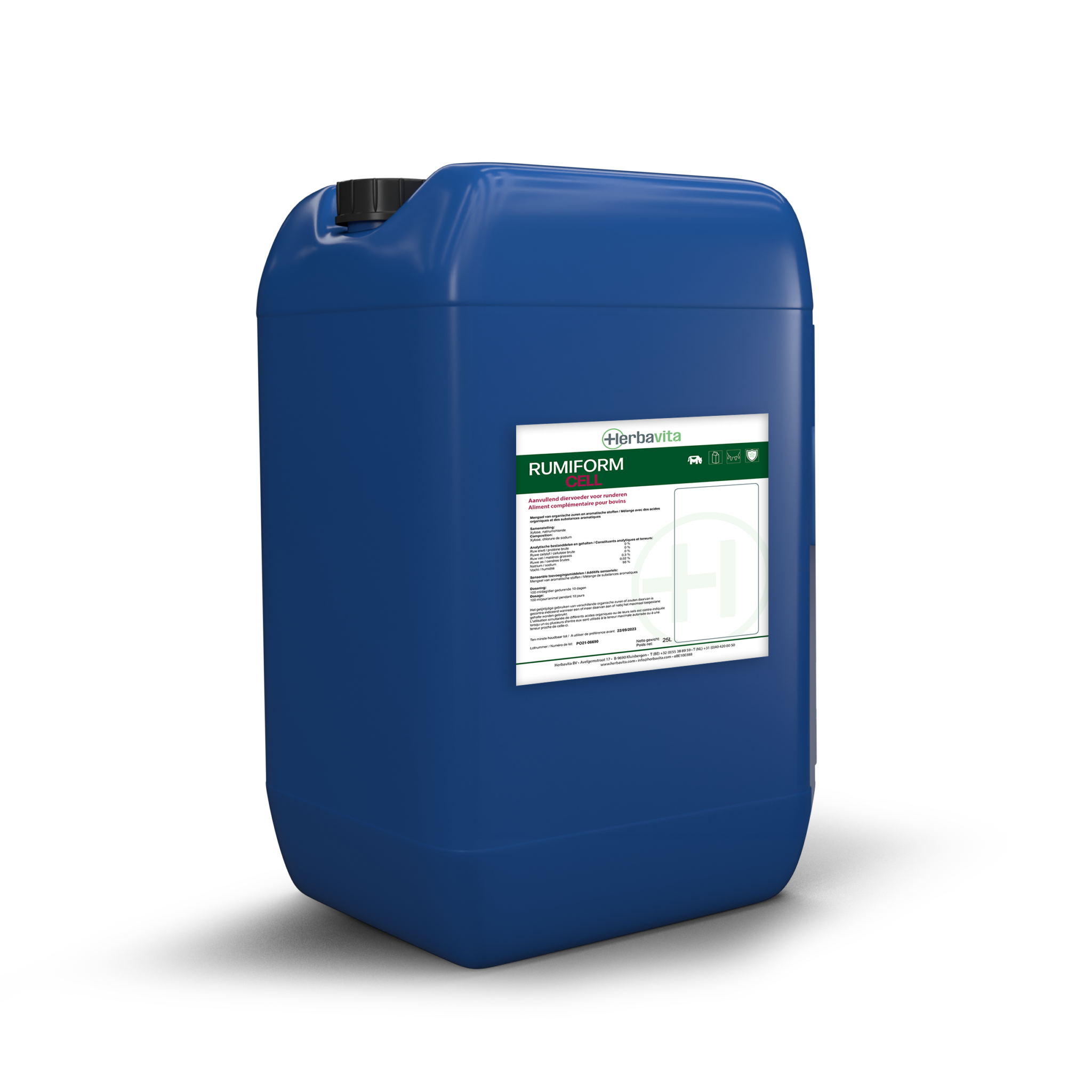
RumiForm Cell
Helps to control the somatic cell count and boosts immunity in high yielding dairy cattle.
More info
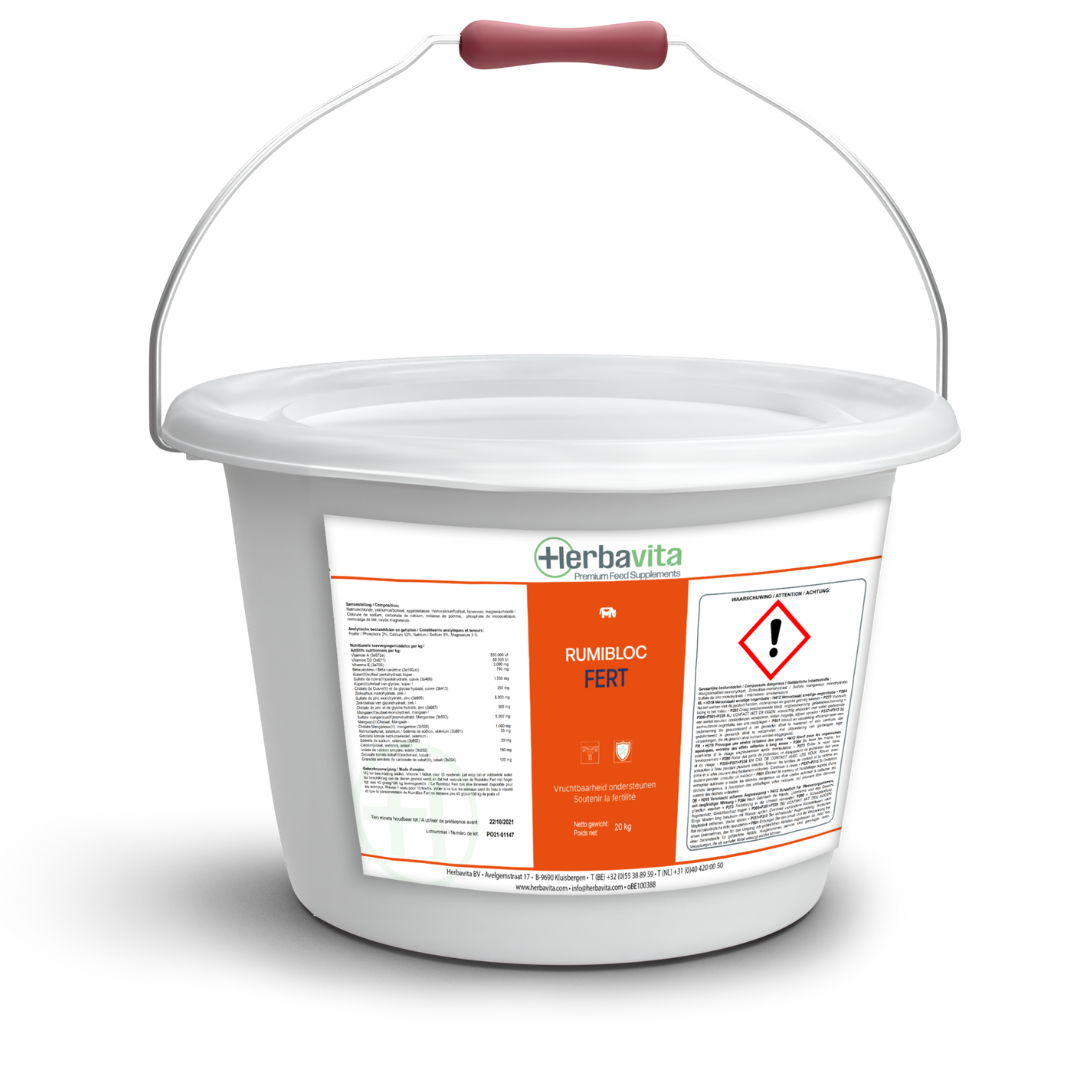
RumiBloc Fert
Promotes the fertility of cattle, both cow and bull, for improved reproductive health and productivity.